Introduction
In the seventh year of the Yongle reign (1409), tens of thousands of monks and laypeople gathered in Lhasa for the Great Prayer Festival[1]. According to The Haven of Faith: A Life of Tsongkhapa, the constant traffic around Tsongkhapa’s lodging made it noisy, prompting requests that a quieter monastery be established for him. Local rulers, patrons and disciples offered either existing monasteries or support for a new foundation. Tsongkhapa prayed before the Jowo Shakyamuni image in the Jokhang Temple and assessed the possible sites through signs from lamps and dreams. He ultimately chose Drok Riwoché, the mountain on which Ganden would stand, and inspected it himself after the festival. The community then began building the monastery. “Ganden Nampar Gyalwé Ling” is a transcription of Ganden’s full Tibetan name, not a separate institution. More than seventy monastic rooms were completed that year and over a hundred more were founded; their sites, dimensions and construction procedures were regulated according to the Buddhist Vinaya[2].
By 1417, the complex had expanded beyond residential quarters to include an assembly hall and dedicated ritual spaces. Tsongkhapa held that esoteric rites should not share the same hall as general monastic gatherings and therefore called for a separate ritual chamber. Craftsmen then built an assembly hall with a surrounding gallery and sanctuaries, covering the equivalent of seventy-two column bays. Images of the Teacher and several groups of tantric deities were installed in the central and upper sanctuaries. The biography also records, item by item, the copper, silver, gems and systems of proportion used for the images.
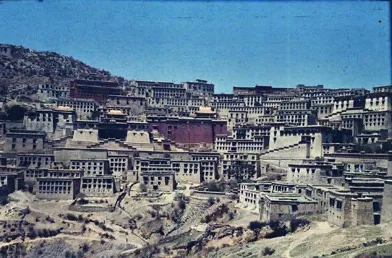
After Tsongkhapa’s death, the Catalogue of the Great Monastery of Ganden states that his body was wrapped in monastic robes and enshrined, together with a sandalwood coffin, inside a silver reliquary stupa[3]. The Qing-period Record of the Sacred Wars still mentions the reliquary and his meditation couch. In 1733, the Qing court bestowed the Chinese name “Yongtai Temple” on Ganden; records of the Imperial Workshops also mention a gilt-bronze plaque bearing that name. In 1757, Changkya Rölpé Dorjé—the Qianlong emperor’s Buddhist teacher and a state preceptor of the Qing—was ordered to send a suit of the emperor’s armour to Ganden for enshrinement in the Yamantaka protector chapel. These records show that the Qing court later named the monastery and sent offerings to it, but all of this occurred more than three centuries after its foundation and did not finance its initial construction. In Hugh E. Richardson’s photographs from 1936–1950, halls, memorial chapels and monks’ quarters spread in tiers along the mountain. The photographs do not prove that Ming-period buildings survived unchanged, but they preserve the monastery’s mid-twentieth-century scale and its relationship to the terrain.
Historical Documents
《宗喀巴传·信仰津梁》 (The Haven of Faith: A Life of Tsongkhapa)
དེ་ཡང་འཁོར་ལ་འབྱོན་པ་རྣམས་འབྱོན་བཞུད་མངས་པས་ཅུང་ཟད་ཐུགས་སུན་ནས། དབེན་དགོན་ཞིག་འདིངས་པའི་ཞུ་བ་སྔ་མོ་ནས་འབུལ་གྱིན་ཡོད་པས། དེའི་ཚེ་སྡེ་པ་དང་ཡོན་བདག་བུ་སློབ་སོ་སོ་ནས་དགོན་པ་རྙིང་པ་འབུལ་བ་དང་། གསར་པ་འདིངས་པའི་བདག་རྐྱེན་བྱེད་ཟེར་ནས་གསོལ་བ་འདེབས་པ་མང་དུ་བྱུང་བ་དེ་རྣམས་གང་བཟང་། ཇོ་བོ་རིན་པོ་ཆེའི་དྲུང་དུ་གསོལ་བ་བཏབ་ནས། མར་མེ་དང་མནལ་ལམ་སོགས་ཀྱི་ལྟས་བརྟགས་པས། ཐམས་ཅད་ཀྱི་ནང་ནས་འབྲོག་རི་བོ་ཆེ་བཟང་བར་བྱུང་སྟེ། སྨོན་ལམ་གྲོལ་བ་དང་རྗེ་ཉིད་ཀྱིས་ཀྱང་ཞབས་ཀྱིས་བཅགས།
因随从往来频繁,宗喀巴略感厌倦;众人早已请求建立一座静修寺院。当时,各地首领、施主和弟子纷纷祈请:或愿奉献旧寺,或愿承担新建寺院的资助。为判断何处最合适,宗喀巴在觉沃仁波切前祈祷,并以灯兆、梦兆等观察。结果,诸处之中以卓日沃切最为吉祥。大祈愿法会结束后,宗喀巴亲临其地。
The frequent coming and going of attendants had made Tsongkhapa somewhat weary, and requests to establish a secluded monastery had long been submitted. At that time, local rulers, patrons and disciples repeatedly petitioned him: some offered an old monastery, while others proposed to sponsor a new one. To decide which place was best, Tsongkhapa prayed before the precious Jowo and examined signs from lamps and dreams. Of all the sites, Drok Riwoché proved the most auspicious. When the Great Prayer Festival ended, Tsongkhapa went there in person.
སློབ་དཔོན་དཀའ་བཅུ་པ་དང་། སློབ་དཔོན་འདུལ་འཛིན་པ་རྣམ་གཉིས་ཀྱིས་ཐོག་མ་མཛད་པའི་དགེ་འདུན་ཕལ་ཆེ་བས་འབྲོག་རི་བོ་ཆེར་བྱོན་ཏེ་དགེ་ལྡན་རྣམ་པར་རྒྱལ་བའི་གླིང་བཏབ། ཕྱོགས་ཀྱི་ཡོན་བདག་དང་། ཉེ་སྐོར་གྱི་བན་སྐྱའི་སྡེ་པ་ཐམས་ཅད་ཀྱིས་དང་བསླངས་སོགས་ཚད་མེད་པ། དགའ་སྤྲོ་དང་བཅས་པས་བསྒྲུབས་ནས་དེ་གའི་ལོ་ལ་གཟིམས་ཁང་གིས་ཐོག་དྲངས་བྲང་ཁང་རྫོགས་པར་གྲུབ་པ་བདུན་ཅུ་ལྷག་ཙམ་དང་། གཞི་བཏིང་བ་བརྒྱ་ཕྲག་བརྒལ་བ་བྱུང་། བྲང་ཁང་སོ་སོ་ཕལ་ཆེ་བ་ལའང་། འདུལ་བ་ནས་ཇི་ལྟར་གསུངས་པ་བཞིན་དུ། དང་པོར་གཞི་བརྟག་པ་དང་། བརྟགས་ནས་དགེ་འདུན་ལ་གསོལ་བ་དང་། དེ་ནས་དགེ་འདུན་གྱིས་གནང་བ་སྦྱིན་པ་དང་། ལག་གི་བླ་སྐོ་བ་དང་། རྡོ་བཏེག་པའི་མཐའ་ལས་བྱུང་བའི་རུང་ཁང་གཅོད་པ་དང་། ཁང་པའི་ཚད་ལས་མ་ལྷག་པར་རྩིག་པ་སོགས་ཀྱི་ཕྱག་ལེན་དག་ཐེར་ཅན་མཛད་པས་མཁར་ལས་ཀྱི་ཕྱག་ལེན་ཙམ་གྱིས་ཀྱང་བསྟན་པ་རིན་པོ་ཆེ་གསལ་བར་མཛད་དོ། །
以十难阿阇黎和持律阿阇黎为首的大部分僧众前往卓日沃切,建立甘丹南巴杰威林。各方施主以及附近僧俗自愿发心,欢喜参与营造。就在当年,以寝室为首、已经完工的房屋有七十余间,已经奠基的又超过一百间。多数房屋都依《毗奈耶》所说的程序建造:先察看地基,再向僧团提出,得到僧团许可并任命执事;随后核定搬运石料所涉及的净厨位置,使房屋不超过规定尺度,校正砌墙等做法。仅从营造制度一端,也使珍贵教法得以彰明。
Most of the monastic community, led by the master learned in the ten sciences and the Vinaya master, went to Drok Riwoché and founded Ganden Nampar Gyalwé Ling. Patrons from every direction, together with nearby monks and laypeople, volunteered their support and joyfully took part in the work. In that same year, more than seventy buildings, beginning with the residential rooms, were completed, while foundations were laid for over a hundred more. Most were built according to procedures prescribed in the Vinaya: the site was first examined and presented to the Sangha; after the Sangha granted permission and appointed an overseer, the position of the pure kitchen in relation to stone transport was fixed, building dimensions were kept within the permitted limits, and masonry practice was corrected. Through construction discipline alone, the precious teaching was made manifest.
རྗེའི་ཞལ་སྔ་ནས། སྒྲུབ་མཆོད་སོགས་ཚོགས་ཁང་དུ་བྱས་ན་དབང་མ་ཐོབ་པ་རྣམས་ཀྱིས་ཀྱང་དཀྱིལ་འཁོར་སོགས་མཐོང་བའི་དགག་བྱ་ཆེ་བར་འདུག་པས། སྔགས་ཀྱི་སྒྲུབ་མཆོད་ཁང་པ་འགོལ་བ་ཞིག་ལོགས་སུ་བྱེད་དགོས་པར་སྣང་གསུངས།
宗喀巴说:“如果在集会堂内举行修供等仪轨,未受灌顶者也会看见坛城等,所犯禁忌很重;看来应当另设一间隔开的密法修供室。”
Tsongkhapa said, “If ritual worship and similar rites are performed in the assembly hall, those who have not received empowerment will also see the mandalas and other sacred objects, a serious breach of restriction. It therefore appears necessary to establish a separate chamber for esoteric ritual practice.”
བྱ་ལོ་ཟླ་བ་གསུམ་པ་ནས་བཟོ་རིགས་པ་ཤིན་ཏུ་མཁས་པ་དུ་མ་བསགས་ཏེ། རྟེན་རྣམས་བཞེངས་པའི་བྱ་བ་ཉེ་བར་བརྩམས་སོ། །དེ་ཡང་གཙུག་ལག་ཁང་ཁྱམས་གཙང་ཁང་དང་བཅས་པ་ལ་ཀ་བ་བདུན་ཅུ་རྩ་གཉིས་ཀྱི་ས་ལ་དབུས་ཀྱི་གཙང་ཁང་དུ་སྟོན་པའི་སྐུ་ཇོ་བོ་རིན་པོ་ཆེའི་སྐུ་ཚད་ལས་ཅུང་ཞིག་གིས་ཆེ་བ་དང་། སྟེང་གི་གཙང་ཁང་དུ་དཔལ་གསང་བ་འདུས་པ་ལྷ་སུམ་ཅུ་རྩ་གཉིས། དཔལ་འཁོར་ལོ་བདེ་མཆོག་ལཱུ་ཨི་པ་ལྷ་དྲུག་ཅུ་རྩ་གཉིས། དཔལ་རྡོ་རྗེ་དབྱིངས་ཀྱི་དཀྱིལ་འཁོར་ཆེན་པོ་རྣམས་ཀྱི་རྟེན་དང་བརྟེན་པར་བཅས་པའི་གཞལ་ཡས་ཁང་བློས་བསླངས་རྣམས་རྒྱུ་རིན་པོ་ཆེ་འབའ་ཞིག་ལས་བསྒྲུབས་པ། དེ་ཡང་གཞལ་ཡས་ཁང་དང་ལྷ་གཞན་རྣམས་ཟངས་ལ་གསེར་གསོལ་བ། གཙོ་བོ་རྣམས་དང་། ཕྱོགས་ཀྱི་དེ་བཞིན་གཤེགས་པ་དང་སྙིང་པོའི་རྣལ་འབྱོར་མ་རྣམས་དངུལ་བཟང་པོ་འབའ་ཞིག་ལས་བཞེངས་པའི་གཙོ་བོ་ཡུམ་དང་བཅས་པ་རྣམས་རེ་རེ་ལའང་དངུལ་བྲེ་ཆེན་གཉིས་ལྷག་རེ་དང་། རྡོར་དབྱིངས་ཀྱི་གཙོ་བོ་ལ་དངུལ་བྲེ་ཆེན་གཉིས་མ་ལོང་ཙམ་དང་། འཁོར་གྱི་ལྷ་བཅུ་གཉིས་ལ་རེ་རེ་ལའང་དངུལ་བྲེ་ཆེན་ཕྱེད་དང་གཉིས་རེ་ཅུང་མ་ལོང་ཙམ་དང་བཅས་པ་དང་། དེ་དག་ལ་རིན་པོ་ཆེ་དང་། གཡུ་རྙིང་བཟང་པོ་དཔག་ཏུ་མེད་པའི་ཕྲ་བསམ་གྱིས་མི་ཁྱབ་པ་དང་། གཞན་ཡང་རྗེ་བཙུན་འཇམ་པའི་དབྱངས། རྒྱལ་བ་ཚེ་དཔག་མེད། རྗེ་བཙུན་བྱམས་མགོན། བཅོམ་ལྡན་འདས་རྡོ་རྗེ་འཇིགས་བྱེད་ཞལ་ཕྱག་ཡོངས་སུ་རྫོགས་པ་རྣམས་ཀྱི་གསེར་སྐུ་མདའ་ཚད་རེ་དང་། བཅོམ་ལྡན་འདས་མ་གཙུག་ཏོར་རྣམ་པར་རྒྱལ་མ་དང་། གཙུག་ཏོར་གདུགས་དཀར་གཉིས་ཀྱི་གསེར་སྐུ་ཁྲུ་ཚད་རེ་དང་། གོས་དར་བཟང་པོ་མཐའ་ཡས་པ་བརྡུངས་པའི་དར་འདག་འབའ་ཞིག་ལས་བསྒྲུབས་པའི་བཅོམ་ལྡན་འདས་རྡོ་རྗེ་འཇིགས་བྱེད་ཞལ་ཕྱག་ཡོངས་སུ་རྫོགས་པའི་སྐུ་ལ་རྒྱབ་མཐོ་བཅུ་བདུན་ཡོད་པ་རྣམས་བཞེངས་ཤིང་། དེ་དག་ཐམས་ཅད་ཀྱང་། ལྷ་བཟོའི་བཟོ་ཐིག་དང་ཕྱག་ཚད་ཕལ་པ་མ་ཡིན་པར། ཤཱ་རིའི་བུ་དང་ཚངས་པ་ཨོ་ཌའི་བུ་ལ་སོགས་པས་ཞུས་པའི་ཕྱག་ཚད་ཀྱི་ཡི་གེའང་མང་དུ་ཡོད་མོད་ཀྱི། གཙོ་བོར་དཔལ་འཁོར་ལོ་བདེ་མཆོག་སྡོམ་པ་འབྱུང་བའི་རྒྱུད་ཀྱི་ལེའུ་གཅིག་གིས་ལྷའི་ཕྱག་ཚད་ཞིབ་པར་སྟོན་ཅིང་། དེའི་རྒྱ་ཆེར་འགྲེལ་རཏྣ་རཀྵི་ཏས་ཁྱད་པར་ཞིབ་ཏུ་གཏན་ལ་ཕབ་པ་དང་། དཔལ་གཤིན་རྗེའི་གཤེད་དམར་པོ་དང་ནག་པོའི་རྒྱུད་གཉིས་ཀྱི་ལེའུ་རེ་རེས་ལྷའི་ཕྱག་ཚད་སྟོན་པ་རྣམས་གུང་ལེགས་པར་བསྒྲིགས་པའི་ཐིག་ཁོག་ནས་དྲངས་ཏེ། ལྷ་རྣམས་རྒྱལ་བས་གསུངས་པའི་ཕྱག་ཚད་དང་ལྡན་པར་བཞེངས་ཤིང་། དེ་དག་རྣམས་ལའང་རྒྱུའི་བྱིན་རླབས་སོགས་ཚུལ་བཞིན་དུ་མཛད།
明永乐十五年(1417)三月起,召集许多精通工巧的匠人,开始建造诸所依。经堂包括回廊与净室,占地相当于七十二根柱间;中央净室内造导师像,尺寸略大于觉沃仁波切像;上层净室内造吉祥密集三十二尊、卢伊巴系胜乐六十二尊与大金刚界坛城,各自连同宫殿及所依、能依,均以珍贵材料制成。宫殿和其余诸尊以鎏金铜造,主尊、四方如来与心髓瑜伽母以纯银造;各主尊及佛母用银都超过二大升,金刚界主尊接近二大升,十二眷属各略不足二大升半,并镶嵌无数珍宝和上等古玉。另造文殊、无量寿、弥勒、金刚怖畏等一箭高金像,尊胜佛母与白伞盖母各一肘高金像,又以众多上等绸缎制成完整的金刚怖畏绣像。所有造像都不是依普通匠人的尺度,而是综合舍利子、梵童子等请问所得的造像度量文献,特别依据《胜乐轮三摩地出生续》及其广释、《红阎摩敌续》《黑阎摩敌续》所定尺度画线,依佛所说的量度制作,并如法为材料加持。
Beginning in the third month of the fifteenth Yongle year (1417), many highly skilled craftsmen were assembled and work began on the sacred supports. The assembly hall, including its gallery and sanctuaries, covered the equivalent of seventy-two column bays. The central sanctuary contained an image of the Teacher slightly larger than the precious Jowo; the upper sanctuary held the thirty-two deities of Guhyasamaja, the sixty-two deities of Luipa’s Chakrasamvara tradition and the great Vajradhatu mandala, each with its celestial palace and both supporting and supported elements, all made of precious materials. The palaces and secondary deities were fashioned in gilt copper; the principal deities, the Buddhas of the four directions and the core yoginis were made of pure silver. Each principal deity with consort used more than two large measures of silver, the principal Vajradhatu deity nearly two, and each of the twelve attendants slightly less than two and a half, with countless jewels and fine old turquoise set into them. Gold images one arrow-height tall were also made of Manjushri, Amitayus, Maitreya and Vajrabhairava; gold images one cubit high represented Ushnishavijaya and Sitatapatra; and fine silk was used to create a complete embroidered image of Vajrabhairava. None followed ordinary craftsmen’s proportions. Their measurements combined iconometric texts requested by Shariputra, Brahma’s son and others, and were based especially on the Chakrasamvara Samadhi-Origin Tantra and its extensive commentary, as well as the Red Yamari Tantra and Black Yamari Tantra. The figures were laid out according to the proportions taught by the Buddha, and the materials were consecrated in the prescribed manner.
《甘丹大寺目录》 (Catalogue of the Great Monastery of Ganden)
ལུང་བསྟན་པའི་སྐུའི་རགས་པའི་ཟུང་འཇུག་གི་ཟ་མ་ཏོག་བསྟན་པ་ཡུན་རིང་དུ་གནས་པའི་རྟེན་འབྲེལ་དུ། མ་ཉམས་པར་ཙན་དན་འབའ་ཞིག་ལས་བསྒྲུབ་པའི་སྒྲོམ་དུ་བཞུགས་པ། སོ་སོས་དད་འབུལ་གྱི་དངུལ་བྲེ་ཆེན་བཅོ་བརྒྱད་སོགས་ཀྱིས་གདུང་རྟེན་སྔར་བཤད་པ་ལྟར་མཆོད་རྟེན་གྱི་ཆ་ཚད་ཕུན་སུམ་ཚོགས་པ་རིན་པོ་ཆེའི་ཕྲ་སྣ་ཚོགས་པས་སྤྲས་པ་བཞེངས་ཏེ། དེ་དག་གི་བུམ་པར་སྐུ་གདུང་སྣམ་སྦྱར་གྱིས་དྲིལ་བ་ཙན་དན་གྱི་སྒྲོམ་དང་བཅས་པ་བཞུགས་ཤིང་། རིམ་གཉིས་ཀྱི་ཏིང་ངེ་འཛིན་པ་རོལ་ཏུ་ཕྱིན་པའི་རྡོ་རྗེ་སློབ་མ་དག་པ་རྣམ་བརྒྱད་ཀྱི་ལྷག་བདུན། རྒྱལ་ཚབ། འདུལ་འཛིན། མཁས་གྲུབ་ཐམས་ཅད་མཁྱེན་པ་སོགས་ཀྱིས་རབ་གནས་རྨད་བྱུང་གནང་བ་དངུལ་གདུང་མཐོང་བ་དོན་ལྡན་དུ་གྲགས་པ་མིང་དོན་གནས་ཀྱི་བྱིན་རླབས་ཀྱི་སྐྱེ་དགུའི་ནོར་བུ་འདི་ལ་ཡང་ཕྱི་དུས་སུ་དཔའ་རིས་གསེར་ཏོག་ནང་སོས་དེ་ནང་རྟེན་བྱས་ཏེ་རྣམ་རྒྱལ་མཆོད་རྟེན་ཕྲ་རྒྱན་ཕུན་སུམ་ཚོགས་པ་སྟེང་འོག་བར་གསུམ་ལ་འོས་པའི་བླ་མ་ཡི་དམ་ཆོས་སྐྱོང་སྐུ་དུ་མས་སྤྲས་པ་ཁྱད་འཕགས་འདི་བྱས་སོ། །
为使这座盛放色身遗骨的宝函成为教法久住的缘起,法体被安置在完全由檀香木制成的棺椁中。众人以信施所献十八大升白银等,依前述比例建成舍利塔,并镶饰各种珍宝;再将以袈裟包裹的法体连同檀香木棺安奉在塔瓶内。通达二次第三摩地的清净金刚弟子中,包括嘉曹、持律者、克主一切智等在内的七位弟子,为之举行殊胜开光。此银塔名为“见者有义”,名实相符,成为加持众生的宝藏。后来,帕日金托囊索又以它为内藏,建造胜利塔,塔的上、中、下三层饰以多尊上师、本尊与护法像。
To create the auspicious conditions for the teaching to endure, this reliquary casket containing the remains of the embodied form was placed in a coffin made entirely of sandalwood. With eighteen large measures of silver and other devotional offerings, the community built a reliquary stupa according to the proportions described above and adorned it with many kinds of jewels. The body, wrapped in monastic robes and enclosed in the sandalwood coffin, was installed inside the stupa’s vase. Seven pure vajra disciples accomplished in the samadhis of the two stages—including Gyaltsab, the Vinaya holder and the omniscient Khedrup—performed an extraordinary consecration. This silver reliquary became known as “Meaningful to Behold,” a name that matched its reality, and served as a treasury of blessings for living beings. Later, Pari Sertok Nangso used it as the inner deposit of a victory stupa whose upper, middle and lower levels were embellished with numerous images of gurus, meditational deities and protectors.
《卫藏通志》 (Comprehensive Gazetteer of Ü-Tsang)
拉撒东五十里噶勒丹山。宗喀巴先在大昭,率众喇嘛攒昭诵经然灯。众喇嘛求立寺院,宗喀巴乃手举金刚菩萨云:宜在旺固尔山创建。遂造大经堂,内塑桑堆德木楚克多尔影佛像。又修沙尔孜、江孜二处札仓,以供众喇嘛栖止。相传至今有三百八十余年。其形势与布达拉略同。其经楼佛像,幢幡宝盖,华丽与大小昭相似,乃宗喀巴坐床之所,示寂于噶勒丹寺。弥勒佛前,为黄教发源之地,有黄教堪布喇嘛主之。
Fifty li east of Lhasa stands Mount Ganden. Tsongkhapa first led assembled lamas at the Great Jokhang in reciting scriptures and lighting lamps. When the lamas asked that a monastery be founded, Tsongkhapa raised a vajra bodhisattva image in his hand and said that it should be established on Mount Wangkur. A great assembly hall was therefore built, with images of Guhyasamaja, Chakrasamvara and Vajrabhairava inside. The Shartsé and Jangtsé colleges were also constructed to house the lamas. Tradition says that more than 380 years have passed since then. Its setting resembles the Potala. Its scripture halls, Buddhist images, banners, canopies and other ornaments rival those of the Great and Small Jokhang. It was Tsongkhapa’s seat, and he passed away at Ganden. Before Maitreya Buddha, this became the source of the Yellow Hat teaching and is administered by its abbot-lama.
《西藏记》 (Record of Tibet)
甘丹寺召东九十里,形势同布达拉,极其华丽,乃宗卡巴坐床之所。山上多有遗迹,为黄帽喇嘛发源之地。
Ganden Monastery lies ninety li east of the Jokhang. Its setting resembles the Potala and is exceedingly splendid. It was the seat of Tsongkhapa. Many remains survive on the mountain, which is the place of origin of the Yellow Hat lamas.
《圣武记》 (Record of the Sacred Wars)
又有白蚌、甘丹、色腊、桑鹅四大寺,远近拱挹。寺中剌麻多者五千余,次者二三千。而甘丹寺距布达拉八十里,则宗喀巴成道之所,有遗塔及所坐禅榻,而宗角园、卡契园、经园诸胜,错落其间。遇节期,则达赖升坐,讲甘珠尔经、丹珠尔经,圜听膜拜千计,不时赴各大寺讲经律。远者岁一梵呗彻山谷,庄严穷七宝,为西方极胜之区。
There were also the four great monasteries of Drepung, Ganden, Sera and Sangngak, commanding the surrounding country. The largest housed more than five thousand lamas, and the others two or three thousand. Ganden, eighty li from the Potala, was where Tsongkhapa attained realization. It contained his surviving reliquary and meditation couch, while such celebrated places as Zongjiao Garden, Kaqi Garden and Scripture Garden were scattered among them. During festivals, the Dalai Lama took his seat to expound the Kangyur and Tengyur before thousands who listened and bowed in worship; at other times he visited the great monasteries to teach scripture and discipline. At the more distant monasteries, annual chanting filled the valleys. Adorned with all seven treasures, this was a supremely excellent region of the West.
《古丰识略》 (Concise Records from Gufeng)
甘丹寺距山八十里,则宗喀巴成道之所。有遗塔及所坐禅榻,以十月二十五日为成道之期。是夕万户然灯,光明如昼。遇节期,则达赖升坐,讲甘珠尔经、丹珠尔经二经,乃西藏大乘经之最尊重者,圜听膜拜千计。达赖所坐叠氍毹数十重,番民得其一摩顶、一击拂者,如不世之遇。
Ganden Monastery, eighty li from the mountain, was where Tsongkhapa attained realization. His reliquary and meditation couch remained there. The twenty-fifth day of the tenth month marked the anniversary of his attainment; that evening, ten thousand households lit lamps until the night shone like day. During festivals, the Dalai Lama took his seat to lecture on the Kangyur and Tengyur, the two Mahayana collections most revered in Tibet, while thousands gathered to listen and prostrate themselves. The Dalai Lama sat upon dozens of layered carpets, and a Tibetan who received a touch on the crown of the head or a sweep of his fly whisk regarded it as the encounter of a lifetime.
《康輶纪行》 (Travel Record of a Light Carriage through Kham)
甘丹寺在剌萨东五十里甘丹山,相传宗喀巴成佛处。有土城,壮丽如大小诏,大堪布掌之。
Ganden Monastery stands on Mount Ganden, fifty li east of Lhasa, and is traditionally said to be where Tsongkhapa attained Buddhahood. It has an earthen enclosure and is as magnificent as the Great and Small Jokhang; it is governed by the chief abbot.
《竺国纪游》 (Record of Travels in India)
甘丹寺在拉撒东五十里甘丹山,相传为宗卡巴成佛处。或云即然灯古佛。经楼、佛像、幡幢宝盖,与大召、小召寺相埒,阐讲黄教,堪布喇嘛居之。
Ganden Monastery stands on Mount Ganden, fifty li east of Lhasa, and is traditionally said to be where Tsongkhapa attained Buddhahood; some say he was the ancient Dipankara Buddha. Its scripture halls, Buddhist images, banners and canopies rival those of the Great and Small Jokhang. The Yellow Hat teaching is expounded there, and the abbot-lama resides in the monastery.
《拉萨厅志》 (Gazetteer of Lhasa Subprefecture)
噶尔丹寺在召寺东九里,形势与布达拉同。
Ganden Monastery lies nine li east of the Jokhang and has a setting like that of the Potala.
Historical Photographs
1936–1950
Hugh E. Richardson’s colour transparencies of Ganden, taken between 1936 and 1950, are held in The Tibet Album: British Photography in Central Tibet 1920–1950, a collaborative project of the British Museum and the Pitt Rivers Museum, University of Oxford. The three photographs below are BMR.6.8.199, BMR.6.8.201 and BMR.6.8.208. The first and third record the monastic complex, with Tsongkhapa’s main hall and memorial chapel at the centre and monks’ quarters and smaller temples around them. The second shows the relationship between the monastery and the valley from a distance.
Around the mid-twentieth century
The 1997 album Ganden Monastery, edited by Jin Hui with text by Xiong Wenbin, includes another black-and-white view probably taken around the middle of the twentieth century and before the large-scale destruction that began in 1966. Monks walk along the mountain road in the foreground, while tiers of halls and monastic quarters rise across the middle ground and hillside. The book captions it only “Ganden Monastery” and gives neither the photographer nor an exact date.
References
- Khedrup Gelek Pelzang, 《宗喀巴传·信仰津梁》 (The Haven of Faith: A Life of Tsongkhapa); Tibetan title: རྗེ་བཙུན་བླ་མ་ཙོང་ཁ་པ་ཆེན་པོའི་ངོ་མཚར་རྨད་དུ་བྱུང་བའི་རྣམ་པར་ཐར་པ་དད་པའི་འཇུག་ངོགས. Qinghai Nationalities Publishing House, date unknown, 140 pages; Tibetan quotations checked against fols. 50–54 of the downloaded facsimile.
- Khedrup Gelek Pelzang, translated and annotated by Liao Bensheng, 《至尊上师宗喀巴大师稀有殊胜传记·正信入门》 (A Rare and Excellent Biography of the Venerable Master Tsongkhapa: Entrance to Right Faith), Tibetan–Chinese edition, Tibetan Classics Publishing House, 2024.
- First Jamyang Zhepa, 《甘丹大寺目录》 (Catalogue of the Great Monastery of Ganden); Tibetan title: རིགས་དང་དཀྱིལ་འཁོར་ཀུན་གྱི་ཁྱབ་བདག་རྡོ་རྗེ་འཆང་ཆེན་པོ་དཔལ་ལྡན་བླ་མ་དམ་པ་འཇམ་དབྱངས་བཞད་པའི་རྡོ་རྗེས་མཛད་པའི་ཆོས་སྡེ་ཆེན་པོ་དགའ་ལྡན་གྱི་དཀར་ཆག. Edition date unknown.
- Pujue Ngawang Jampa, 《四大寺及上下密院形成记·白莲鬘》 (Formation of the Four Great Monasteries and the Upper and Lower Tantric Colleges: Garland of White Lotuses); Tibetan title: གྲྭ་ས་ཆེན་པོ་བཞི་དང་རྒྱུད་པ་སྟོད་སྨད་ཆགས་ཚུལ་པད་དཀར་འཕྲེང་བ. Tibet People’s Publishing House, 1989.
- 《甘丹寺与扎叶巴寺历史》 (History of Ganden Monastery and Drak Yerpa); Tibetan title: དགའ་ལྡན་དགོན་པ་དང་བྲག་ཡེར་པའི་ལོ་རྒྱུས. Lhasa, 1994, 131 pages.
- 《西藏寺院文化概论——以甘丹寺等四寺为例》 (Introduction to Tibetan Monastic Culture: Ganden and Three Other Monasteries); Tibetan title: བོད་ཀྱི་དགོན་སྡེའི་རིག་གནས་སྤྱི་བཤད་མེ་ཏོག་ཕྲེང་བ། དགའ་ལྡན་དགོན་པ་བཞིར་བྱས་ཏེ་བརྗོད་པ. Qinghai Nationalities Publishing House, 2005.
- 《甘丹夏孜寺志》 (History of Ganden Shartsé); Tibetan title: དགའ་ལྡན་ཤར་རྩེའི་ཆོས་འབྱུང་འཇམ་དཔལ་སྙིང་པོའི་དགོངས་རྒྱན. 1814; currently verified only through a bibliographic record.
- བློ་བཟང་དཔལ་ལྡན་བསྟན་འཛིན་ཡར་རྒྱས, 《甘丹夏孜诺林扎仓教法史》 (History of the Teachings of Ganden Shartsé Norling College); Tibetan title: དགའ་ལྡན་ཤར་རྩེ་ནོར་གླིང་གྲྭ་ཚང་གི་ཆོས་འབྱུང་འཇམ་དཔལ་སྙིང་པོའི་དགོངས་རྒྱན་མཛེས་པར་བྱེད་པའི་ལེགས་བཤད་དཔྱད་གསུམ་རྣམ་དག་ནོར་བུའི་ཕྲ་ཚོམ. New Delhi: Ngawang Sopa, 1975, approximately 550 pages; a later supplement to the preceding history, not the same work.
- Jin Hui, ed.; text by Xiong Wenbin; photographs by Zhu Qiliang and others, 《甘丹寺》 (Ganden Monastery), China Intercontinental Press, 1997. The undated black-and-white photograph used here comes from the book; the original does not identify the photographer or exact year.
- Michael Ium, The Early History of Ganden Monastery and the Construction of the Geluk Tradition, doctoral dissertation, University of California, Santa Barbara, 2023.
- Stanford Encyclopedia of Philosophy, “Tsongkhapa”, revised 2024.
- Xu Dongming, 《明代格鲁派高僧推动藏传佛教中国化个案研究——以宗喀巴、释迦也失为例》 (A Case Study of Ming Gelug Masters and the Sinicization of Tibetan Buddhism: Tsongkhapa and Shakya Yeshe), China Tibetology Research Center, 2024.
- 《嘉庆重修一统志》 (Jiaqing Revised Comprehensive Gazetteer), vol. 413, “Tibet: Temples: Ganden Monastery,” records the 1733 bestowal of the name “Yongtai Temple”; facsimile page on Wikisource.
- Zhang Li, 《清宫铜器制造考——以雍、乾二朝为例》 (Bronze Production in the Qing Palace: The Yongzheng and Qianlong Reigns), Palace Museum Journal, no. 5, 2013; its appendix records the manufacture of the gilt-bronze “Yongtai Temple” plaque.
- Wang Jiapeng, 《清代皇家雅曼达噶神坛丛考》 (Studies on Imperial Yamantaka Shrines of the Qing Dynasty), Palace Museum Journal, no. 4, 2006; records the imperial armour sent to Ganden in 1757.