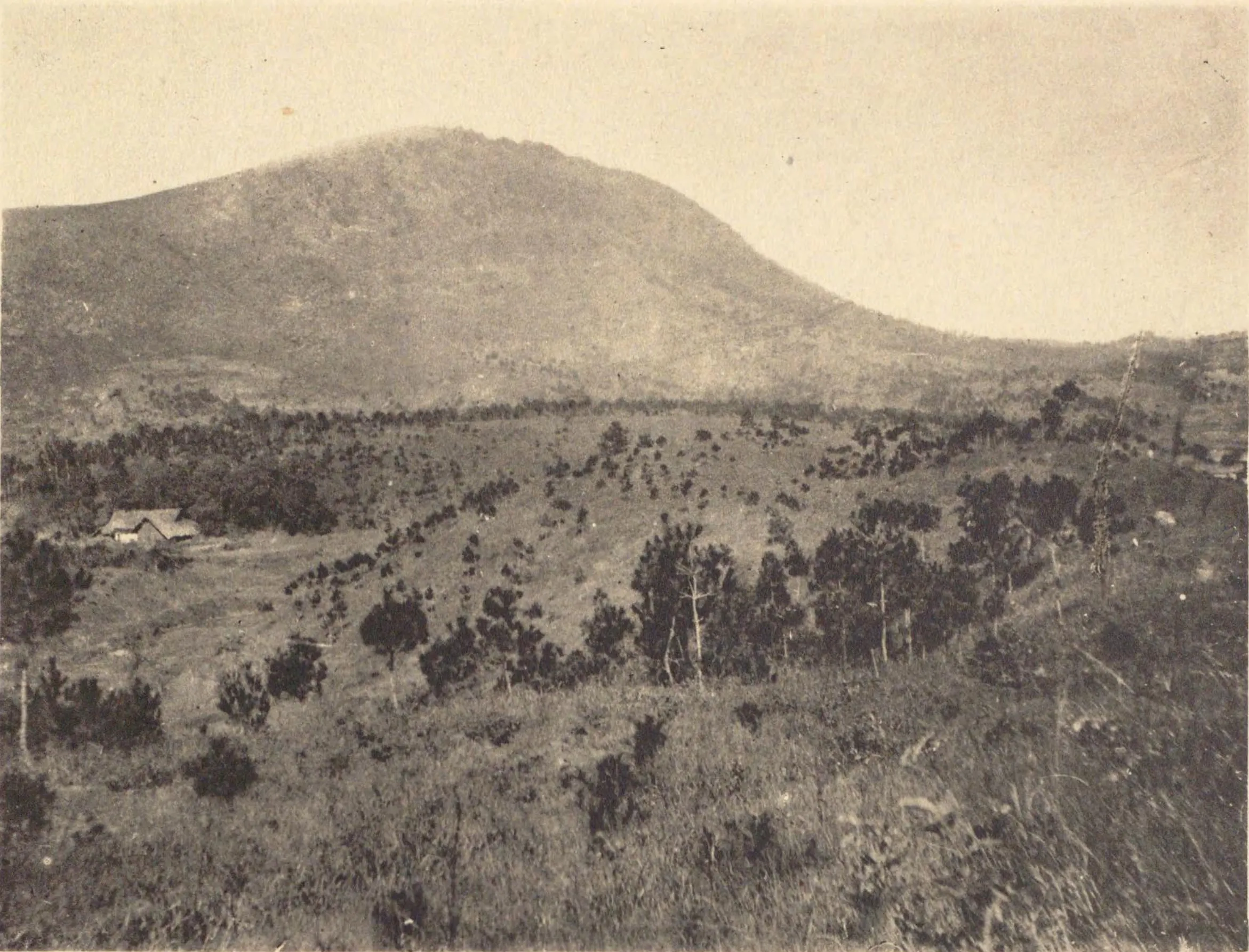
Introduction
During the Kaihuang era of the Sui, the eminent Tiantai[1] monk Zhiyi came to Mount Yuquan (Jade Spring Mountain) in Dangyang County of Jingzhou to practice. Yang Guang—the future Emperor Yang of Sui, then Prince of Jin—had received the precepts from Zhiyi. Once Zhiyi had chosen Mount Yuquan, the stele accounts say that Guan Yu, after his death, manifested his spirit there, vowing to offer the land for a Buddhist temple, receiving the precepts from Zhiyi in turn, and swearing to protect the Buddha’s teaching. In the actual construction, Yang Guang reported Zhiyi’s request to found a temple to the court and built the monastery by imperial command; local believers likewise “some contributed timbers, some offered up tiles,” and together they raised the halls and the monks’ quarters. In the thirteenth year of the Kaihuang era (593), the court bestowed the name-plaque “Yuquan Temple.”
About a century after Yuquan Temple was built, a masonry relic pagoda already stood before the temple. In the third year of the Changshou era of Wu Zetian’s Zhou (694), the Yuquan Temple monk Hongjing placed the relics[2] bestowed by Wu Zetian in the underground chamber beneath the pagoda. In the early Tiansheng era of the Northern Song, the temple rediscovered this underground chamber while rebuilding its scripture repository; in the sixth year of the Jiayou era (1061), the abbot Wuben called upon monks and laypeople to reinter the relics and directed the building of a pagoda. The Buddhist layman Hao Yan of Shankou Village in Yuyang Township, together with his maternal aunt, the elder lady of the Han family, donated seventy-six thousand six hundred catties of pig iron, and metal-founding craftsmen from the Two Zhe circuits carried out the casting; the thirteen-story iron pagoda was completed on the fifteenth day of the eighth month. The pagoda both enshrined the relics and offered prayers for the departed kin of the Hao and Han families, while also embodying the wish for a tranquil state and a peaceful people; and its inscription, taking up the force of the Yuquan waters, wrote of “building a pagoda to guard Dangyang.”
In the Yuanfeng era of the Northern Song, when the monk Chenghao of Shu took over as abbot, the temple buildings of Yuquan were vast but already leaking and damaged throughout. He rebuilt the temple of Lord Guan, and three years later completed the Shrine of the Third Lord, dedicated to Guan Yu’s son; the dharma hall, the abbot’s quarters, the sleeping hall, the bell tower, and the Maitreya Pavilion were likewise torn down and rebuilt. At the end of the Song, Jingmen lay in the path of armies, and Yuquan Temple had no means to keep itself in repair; after the advent of the Yuan, the monk Huizhen had only just begun its restoration when he died, and his successor Youxuan likewise failed to carry it on, so that the temple “decayed further day by day.” In the second year of the Zhida era (1309), Huizhen’s disciple Guangzhu accepted the invitation to take over as abbot, and only then did large-scale construction resume at the temple: the Vairocana Hall, the Ten Thousand Buddhas Pavilion, the bell tower, the monks’ hall, and other buildings were completed one after another.
In the thirtieth year of the Wanli era (1602), the Ming literati Huang Hui and Yuan Hongdao came to Yuquan Temple and called on the monk Zhenghui (styled Wuji), who was preparing to build the Hall of the Great Hero. Afterward the two lodged at the home of the Buddhist layman Ren Chengzhou (styled Cihang) at the confluence of the Ju and Zhang rivers. Ren Chengzhou gave out congee at his home all year round and put up itinerant monks; Huang Hui and Yuan Hongdao urged him to direct this same charity toward Yuquan Temple. Ren Chengzhou agreed to help build the main hall. When Yuan Hongdao’s younger brother Yuan Zhongdao later recorded the affair, the main hall was already nearing completion. The hall has been repaired since; its extant lower sill is a Yuan-dynasty member and its bracket sets are Ming, while the whole still preserves the architectural style of the Song–Yuan period.
By the twentieth century, a leaking roof, rotting timbers, and termite damage once again threatened the safety of the main hall, and a full dismantling-and-reassembly repair was carried out from 1982 to 1984. The iron pagoda, too, owing to the tilting, cracking, and corrosion of its body, was taken down and righted from 1993 to 1995; apart from the finial[3] replaced in the Qing dynasty, the rest remains Song-dynasty original fabric.
Historical Documents
Guoqing Bailu (One Hundred Records of Guoqing)
弟子总持和南。奉旨于荆州当阳县境玉泉山陲,为建造伽蓝,招提行道,图写地形,具以赐示。伏以布金徧地,买园建立,奉置三尊,永流万代。唱诵所不能赞,筭数所不能量。孰意轻微,顿蒙创造,循复来旨,爽然失厝。既事出神心,理生望表,无容违拒,苟作形迹,即具闻奏,嘉号乃覃,名符天冠道场,声满恒沙世界。福报仰归,逊辞难涉。谨和南。
Your disciple Zongchi, with joined palms. By imperial command, on the slopes of Mount Yuquan within the bounds of Dangyang County of Jingzhou, I am to build a monastery, a saṅghārāma for the practice of the Way; I have drawn a map of the terrain and herewith present it all for your instruction. I humbly consider: to spread gold over the whole ground, to buy the garden and found it, to enshrine the Three Honored Ones there, so that it flows on for a myriad generations—this is what chanting and praising cannot extol, what reckoning and number cannot measure. Who would have thought that one so slight would suddenly receive this creation? Turning your coming command over and over, I am dazzled and know not where to rest. Since this affair issued from a sacred mind, its principle arising beyond all expectation, there is no room to refuse; so soon as it takes form, I shall memorialize it in full. The fair name thereupon reached far: its name befits a sanctuary of the Deva-Crown, its fame fills worlds as many as the sands of the Ganges. The karmic reward I look up and ascribe to you; words of deference cannot compass it. Respectfully, with joined palms.
皇帝敬问修禅寺智𫖮禅师,省书,具至意。孟秋余热,道体何如?熏修禅悦,有以怡慰。所须寺名额,今依来请。智遂师还,指宣往意。开皇十三年七月二十三,兼内史令蜀王臣秀宣,内史侍即武女子臣李元惨,本内史舍人长坦男臣郑子良行。
The Emperor respectfully inquires of the Chan master Zhiyi of Xiuchan Temple: having read your letter, I fully comprehend its purport. In this first month of autumn, with its lingering heat, how is your reverend person? In your cultivation and the joy of dhyāna, may there be that which soothes and comforts you. As for the temple name-plaque you require, I now grant it in accordance with your request. When Master Zhisui returns, he will proclaim my intent by word of mouth. The twenty-third day of the seventh month of the thirteenth year of the Kaihuang era. Declared by the concurrent Director of the Palace Library, the Prince of Shu, your servant Xiu; [attested by] the Palace Library attendant, your servant Li Yuancan; executed by the former Palace Library drafter, the Baron of Changtan, your servant Zheng Ziliang.
弟子总持和南。适逮近旨,用慰驰情。春暄,愿道体康胜。玉泉创立,道场严整,禅众归集,静慧新随喜之深,难以辞谕。弟子始服三石散竟,调息劳心,秋仲归蕃,请夏讫,沿下在于。拜觐差当,匪奢其间。珍德今遣统军鲁子誉往祗承。谨和南。
Your disciple Zongchi, with joined palms. Having just received your recent missive, it comforts my eager feelings. In the warmth of spring, I pray your reverend person be well and strong. The founding of Yuquan, the sanctuary ordered and solemn, the Chan assembly gathering in refuge—the depth of my new sympathetic joy at your stillness and wisdom can hardly be conveyed in words. Your disciple has just finished taking the three-mineral powder, regulating my breath and easing my mind; in mid-autumn I shall return to my fief, when the summer retreat has concluded, descending along the river. My audience with you will be duly arranged, with no extravagance meanwhile. Treasuring your virtue, I now send the army commander Lu Ziyu to attend upon you with reverence. Respectfully, with joined palms.
Yuquan Si Bei (Stele of Yuquan Temple)
盖闻乾元资始,三辰著象于天;坤道资生,万物动形于地。皇王于是建国,贤圣所以垂文。起名教而莫同,制威仪而有别。至如画卦观爻,盖取随时之象;综经织纬,会通为政之辞。大礼同和,大乐同节,安上治民,移风易俗。斯廼生前之事,略矣可言,死后问知,仲尼弗语。纵使绛雪萦空,玄霜拂𣗳,饵金丹而九转,吞玉髓而千年。乗云也,驾几色之玄龙,游汉焉,控三山之素鹄。逍遥瑀台之上,容与琳阙之间,未窥解脱之门,终趣盖纒之境。
We have heard: the primal force of heaven provides the beginning, and the three luminaries display their images in the sky; the way of earth provides the life, and the myriad things move and take form upon the ground. On this basis sovereigns and kings founded their states, and the worthy and the sage handed down their writings. They established the teaching of names, none the same as another; they ordered the awesome ceremonies, each with its distinctions. As for drawing the hexagrams and contemplating the lines, they took their images from what suited the season; weaving warp and woof together, they gathered and comprehended the phrases of government. The great rites bring about common harmony; the great music brings about common measure; they gave repose to those above and order to the people, transformed the manners and changed the customs. These are the affairs of this present life, of which one may speak in outline; of knowledge after death, Confucius would not speak. Even should crimson snow wreathe the sky and dark frost sweep the treetops; should one feed on golden elixir through its nine transmutations and swallow jade marrow for a thousand years; riding the clouds, yoking the dark dragon of many hues, roaming the Milky Way, driving the white swan of the three isles; roaming free upon terraces of agate, lingering at ease among gates of jasper—still one has not glimpsed the gate of liberation, and ends by rushing into the realm of bonds and defilements.
唯正觉渊冲,真如妙有,不生不灭,无相无言,随縁应质,则假色成形;随类观音,则因声示说。故有白银千尺之髓,紫金文六之身,八部般若之文,四种悉檀之义,神通自在,慧力无穷,因尊化行,开示悟入。归依者尽发菩提;回向焉,普登常乐。是以弥猴建塔,遂生忉利之天;野鴈㘅华,复往弥陀之国。岂直日藏沙门孤游正道,月。光量子独见如来,四生因兹度脱,六道借此昭苏,实火宅之髙车,昬河之大筏。
Only the right awakening is profound and empty; true thusness is wondrous being—unborn and undying, without mark and without word. Following conditions and responding to capacities, it borrows form to take on shape; answering each kind and contemplating their cries, it makes its teaching known through sound. Hence the marrow of white silver a thousand feet, the body of purple gold a zhang and six feet, the texts of the eightfold prajñā, the sense of the fourfold siddhānta; spiritual powers at ease, the strength of wisdom inexhaustible; by the Honored One’s transforming work, beings are opened, shown, awakened, and made to enter. Those who take refuge all bring forth the bodhi-mind; turning their merit over, they ascend together to everlasting bliss. Thus it was that the monkey who built a stupa was reborn in the Trāyastriṃśa heaven; the wild goose that held a flower in its beak journeyed on to the realm of Amitābha. Not only did the monk Sūryagarbha wander alone upon the right path, or the child Candraprabha alone behold the Tathāgata: the four modes of birth are by this carried across to release, the six destinies by this revived—truly the tall cart that leads out of the burning house, the great raft that ferries across the darkened river.
若乃周室昭王之世,影夺恒星;汉朝明帝之时,光梦如日使旋西寓,化渐东都,置像南宫,申心北面。自摩腾入洛,罗什游秦,名教更弘,道风斯炽。经台像阁,寳塔香山,丽溢岩阿,绮盈都邑。岂期后魏真君之歳,后周建德之年,灵庙一除,伽蓝再灭,形容废毁,文字散遗,响落琼钟,声沉寳铎。修禅耆旧,卷其舌而不谈。护戒先贤,改其形而晦影,世绝调心之路,时亏汲引之途,无出世之津梁,失生民之大望。
As for the age of King Zhao of the house of Zhou, the Buddha’s shadow outshone the constant stars; in the time of Emperor Ming of the Han dynasty, a light was dreamed of, like the sun. The envoys then returned and lodged in the west; the transformation gradually reached the eastern capital; images were set up in the southern palace, and hearts were poured out facing north. After Mātaṅga entered Luo[yang] and Kumārajīva traveled in Qin, the teaching of names was spread the wider, the wind of the Way blazed the brighter. Scripture-terraces and image-pavilions, jeweled stupas and incense mountains—loveliness overflowed the crags, splendor filled the cities and towns. Who could have foreseen that in the Zhenjun years of the Later Wei and in the Jiande years of the Later Zhou, the numinous temples would be swept away once, the monasteries destroyed a second time, forms and images ruined and cast down, writings scattered and lost, the jasper bells fallen silent, the jeweled chimes sunk in stillness? The elders cultivating dhyāna rolled up their tongues and did not speak; the worthies guarding the precepts altered their garb and hid their traces. The age cut off the road of disciplining the mind; the times impaired the path of drawing beings up; there was no ford or bridge leading out of the world, and the people lost their great hope.
我大隋皇帝乗干御宇,握镜披图,父爱苍生,君临赤县。天地同其大德,曰月。合其重光,鼓之以雷霆,润之以风雨,除暴乱,致太平,张四维,朝万国,功成作乐,治定制礼,正道无为,区𠏟有截。辟泥洹之路,开般若之门,宣十二分之经,流四千年之法。精勤耆旧,又舍俗归僧,净住初之。童,持心乗戒,非直法轮再转,法鼓还鸣,四海于是无虞,兆民同而有頼。委羽乗毛之国,慕风化以来庭;灵禽嘉贶之祥,应图书而萃苑。巍巍也,非镜智之思量;荡荡乎,岂言谈而能尽。
Our Emperor of the Great Sui rides upon heaven and rules the world, grasping the mirror and unfolding the chart; with a father’s love for the teeming people, he reigns over the red counties. Heaven and earth share his great virtue; sun and moon join their doubled radiance with his. He rouses them with thunder, he moistens them with wind and rain; he has rooted out violence and disorder and brought about great peace, spread out the four bonds, and received the homage of a myriad states; when his work was accomplished he made the music, when his order was fixed he instituted the rites; in the right way he acts without acting, and the realm is ordered and bounded. He has opened up the road of nirvāṇa, thrown open the gate of prajñā, proclaimed the scriptures of the twelve divisions, and let flow the teaching destined for four thousand years. The diligently devoted elders once more left the household and returned to the monkhood; pure abiders and novices alike held the mind upon the precepts. Not only has the wheel of the dharma turned again and the dharma-drum sounded once more—the four seas are thereby without care, and the millions of people have together found their reliance. The lands of drooping feathers and fur-clad folk, admiring his transforming wind, have come to court; the auspices of numinous birds and fair gifts, answering the charts and writings, have gathered in his parks. Majestic!—not to be measured by the mirror-wisdom; boundless!—how could words of discourse ever exhaust it?
玉泉寺者,基此山焉。智𫖮禅师之卜居也,𠡠㫖正名著额。其山嵬蕚,生我,崎岖前嶷。峰疑偃盖,峦似覆船,巨力穷奇之象,洪崖谲诡之形。岗曲抱而成垣,水萦廻而结乳。青枫动叶,逺照金霞;翠栁揺枝,低临玉沼。援吟白云之上,鸎帝碧树之间。日月为之蔽亏,霄液由之散聚。前瞻江路,却望荆岑,左带昭丘,右通巴峡。
Yuquan Temple is founded upon this mountain. When the Chan master Zhiyi divined for his dwelling there, an imperial decree fixed its name and conferred the plaque. The mountain is towering and craggy, rugged, rising ahead. Its peaks seem a parasol overturned; its ridges are like an upturned boat; they have the look of a giant’s strength spent, the shapes of Hongya’s uncanny strangeness. The ridges curve round to form a wall; the waters wind about and gather into milky pools. Green maples stir their leaves, shining afar against golden mists; verdant willows trail their boughs, bending low over jade-white meres. Gibbons call above the white clouds; orioles pipe among the emerald trees. Sun and moon are darkened and diminished by it; the mists of the sky scatter and gather because of it. Before it one looks out over the river road; behind, one gazes back to the peaks of Jing; on the left it is girdled by Zhao Hill; on the right it opens toward the gorges of Ba.
禅师本姓陈氏,颍川人也。少禀生知,童真剃落,从师南岳,蕴道天台。唇智洪才之响,非直播于江南;知机妙辩之声,固亦闻于河朔。皇帝外子太尉公晋王,性禀孝慈,情包隐恻,能臣能子,匡国匡家,蕴机神之智,垂泛爱之心,布君子之风,偃生民之草。往以伪陈纳叛,受律行师,策妙指纵,威棱江海,遂克定金陵,化平铜柱,三吴雾卷,百越尘清。师乃因王利涉,王遂因师受戒。师至此而头陀,王奏闻而起寺。于是异域才情之客,慕其道而云臻。他乡錬行之僧,味其风而雨集。师乃精言导理,尽意谈玄,语证禅支,心开定本,幽宗博义,若挹海而无穷,辩句清辞,似悬河而自泻。居朋之友,虽盈量而争归;处少之徒,从穷崖而莫反。
The Chan master’s original surname was Chen, and he was a man of Yingchuan. From youth endowed with innate knowledge, in boyish innocence he took the tonsure; he followed his master at the Southern Marchmount and treasured up the Way at Tiantai. The echo of his eloquent wisdom and mighty talent was not merely spread south of the Yangzi; the fame of his discernment of the subtle and his wondrous disputation was likewise heard north of the Yellow River. The Emperor’s son, the Duke-Commandant, Prince of Jin, was by nature filial and kind, his heart embracing compassion—able minister and able son, he righted the state and set the family in order, harbored a wisdom attuned to the mysterious, let fall a love that reached all; he spread abroad the wind of the gentleman, and the grass of the people bent before it. When in the past the spurious Chen took in rebels, he received the baton and led the army; his plans were marvels of direction, his awesomeness towered over the rivers and lakes; thereupon he conquered and pacified Jinling, brought peace as far as the bronze pillars; the Three Wu were swept away like mist, the Hundred Yue were cleared of dust. The master then by the prince made his profitable crossing, and the prince in turn by the master received the precepts. When the master came here to practice dhūta austerities, the prince memorialized the throne and the temple arose. Thereupon strangers of talent and feeling from other lands, admiring his Way, came gathering like clouds; monks cultivating the practice from other regions, savoring his spirit, assembled like rain. The master then with precise words guided them in principle, spoke fully of the mystery; his speech bore witness to the branches of dhyāna, his mind opened the root of concentration; his profound doctrines and broad meanings were like ladling from the sea—unfailing; his disputing phrases and clear words were like a hanging torrent—pouring of themselves. Friends dwelling in company, though the vessel was full, vied to take refuge; disciples abiding in youth followed him to the furthest crag and did not return.
尔乃信心檀越,积善通人,咸施一材,俱投一瓦。慿兹众力,事若神功。营之不日而成,饰矣经时而就。层台逈阁,复殿连房,寒暑异形,隂阳殊制。雕簷绣拱,与危岫而争髙;凿硖镌基,共磐岩而等固。风光出其户牖,云雾生其栋梁。华炫耀于金盘,气芬芳于玉𣗳。工图相好,湛若金山;匠写真容,凝如满月。殿起三层之柱,悬于自响之钟;堂开千修之华,莲捧飞来之座。灯光不灭,灌海逾明;刹柱俱低,承幡自举。吉祥柔滑之草,烂嫚依庭;逆风和气之香,氛氲芋院。斜通洞穴,直注凝泉,色似瑠惑。璃,味同甘露。波投鼐鼎,浪泻阶堂,饮腹消痀,四浇躯愈疾。石柱铜棣之状,影入连池;桃源菊四浦之华,香浮奈苑。可谓山类耆阇,寺同离越,似龙宫而出现,疑鹿野以飞来。窃以前王凿鼎,唯论体国之功;今共刋碑,永记菩提之道。余任宰属城,寺居山部,文虽写意,书不尽言。其词曰:
Thereupon the faithful donors and the discerning men of accumulated goodness each contributed a timber and each offered up a tile. Relying on the strength of this multitude, the work went as if by divine power: the building of it was finished before the day was out, as it were; its adornment was completed with the passage of the seasons. Terraced platforms and far-flung galleries, doubled halls and joining chambers—winter and summer had their different shapes, shade and sun their several orders. Carved eaves and embroidered brackets vied in height with the perilous peaks; chiseled gorges and graven foundations matched the boulders in firmness. Wind and light issued from its doors and windows; cloud and mist arose about its beams and ridgepoles. Its splendor gleamed upon the golden pans; its fragrance was sweet upon the jade vessels. Craftsmen painted the marks and signs of the Buddha, limpid as a mountain of gold; artisans rendered the true countenance, still and full as the full moon. In the hall arose pillars of three tiers, hung with a self-sounding bell; in the shrine-room opened the blossom of a thousand cultivations, a lotus bearing up the flying seat. The lamplight never died, brighter than the brimming sea; the dhvaja-pillars all bowed low, raising the streamers of themselves. Grasses auspicious, soft and smooth, grew in profusion against the courtyards; incense of harmony, wafted against the wind, hung fragrant about the cloisters. Slanting passages pierced the caverns; straight shafts poured down upon still springs, their color like beryl, their taste like sweet dew. Waves splashed into cauldrons and basins; torrents spilled over the steps and halls; those who drank found their bellies eased of swelling, those who were bathed found their bodies cured of sickness. The shapes of stone pillars and bronze gate-leaves cast their shadows into the linking pools; the flowers of the peach-blossom spring and the chrysanthemum banks wafted their fragrance over the crabapple gardens. One may truly say: the mountain is the like of Gṛdhrakūṭa, the temple the peer of Liyue; it seems the dragon palace come forth into view, one might suspect the Deer Park had flown here. I humbly consider: when the former kings cast the tripods, they spoke only of the merit of embodying the state; now together we carve this stele, to record forever the way of bodhi. I hold office as magistrate of the dependent city, and the temple lies within my mountain district; though my writing sketches my intent, the brush cannot exhaust the words. The verse says:
二仪开廓,四气氛氲。方以类聚,物以群分。通贤通圣,明后明君。随机设教,观化重文。乐章既造,礼仪方制。定彼亲疎,决兹疑滞。披图辩物,属辞明例。唯化一生,不论三世。玄都玉简,紫阙银经。解尸遗骨,饮液吞猜。乗龙万纪,控鹄千龄。终非实相,犹是尘情。唯有大雄,湛然常住。不生不灭,无来无去。千门妙㫖,一音演谕。度脱众生,涅槃双𣗳。梦通刘后,感应姫王。恒星掩耀,满月。澄光。写形东国,指圣西方。慈悲愿海,善逝津梁。法显还晋,摩腾入洛。华散经台,香流像阁。释教郁起,桑门盛作。露泫珠幡,风吟寳铎。真君建徳,运钟灭道,沦没四生,毁除三寳。我皇启圣,徳侔苍昊。妙法更弘,真仪再造。陈氏僣号,王赫斯征。勾吴雾卷,闽越廓清。因逢智者,延谒山庭。珠生浮汉,玉出深荆。华峰峍屹,石洞渊悬。芬芳菊浦,滴升琼泉。盘过似谷,覆岭疑船。来仪宴坐,触地萧然。妙辩悉檀,深穷般若。缁素云㑹,挹其河泻。或施之材,或投之瓦。经始不曰:翻,成大厦。更起龙宫,还开鹿野。山连紫盖,江抱黄牛。西临月峡,东接昭丘。栴檀围绕,琳碧环周。春牎夏牖,水殿山楼。座吐芙蓉,龛悬石镜。白毫相好,绀髪辉映。银鷰徘徊,锦鳞游泳。腾猴心静,怖鸽影定。猗欤哲王,命也蕃屏。自天生德,孝诚俱秉。旦奭非传,间平讵并。出緫连辔,入调钟鼎。搆此伽蓝,实资力请。魔殿蹇铲,须弥郁律。倐覩劫终,俄看烧讫。岂如彼岸,生死皆出。金石不朽,天地可异。镌勒岩阿,永垂懋实。
The two primal powers opened wide; the four vapors swirled in abundance. Things gathered by kind, creatures divided by group. Sages and worthies understood one another; enlightened sovereigns and enlightened lords arose. According to their occasions they set up teachings; contemplating the transformations, they prized the written word. When the musical measures were made, the rites and ceremonies were then ordered. They fixed the near and distant kin, resolved the doubtful and the stuck; unfolding the charts, they distinguished things; setting down words, they made the precedents clear. Yet they taught only the transformation of this one life, and did not discourse on the three ages. The jade tablets of the Mystic Metropolis, the silver scriptures of the Purple Palace: to slough off the corpse and leave the bones, to drink the fluids and swallow the essences; to ride the dragon for ten thousand ages, to drive the swan for a thousand years—in the end these are not the true mark, they remain the dust of worldly feeling. There is only the Great Hero, serene and ever abiding: unborn and undying, without coming, without going. The subtle purport of a thousand gates, expounded and made known in a single sound. Carrying the hosts of beings across to release, to nirvāṇa as to the twin trees. A dream reached the empress of Liu; a sympathetic response moved the king of Ji. The constant star veiled its brilliance; the full moon shed clear light. His form was copied in the eastern land, pointing to the sage of the west. Compassion, the sea of vows—the fords and bridges of the Well-Gone One. Faxian returned to Jin; Mātaṅga entered Luo. Blossoms were scattered over the scripture-terraces; incense flowed from the image-pavilions. The teaching of Śākya rose in luxuriance; the śramaṇas’ work flourished. Dew dripped from the pearl-hung banners; wind sang in the jeweled bells. Then Zhenjun and Jiande: the cycle struck the destruction of the Way. The four modes of birth were drowned and lost; the Three Jewels were ruined and abolished. Our Emperor opened the sagehood, his virtue the peer of the azure sky: the wondrous dharma was spread again, the true image fashioned anew. When the Chen usurped the title, the king in majesty went forth to war; Guwu was rolled up like mist, Minyue was swept clear. Thereby he met the Wise One, and invited him to visit his mountain court. The pearl was born in the floating Han; the jade came forth from deepest Jing. Flowered peaks towering steep; stone caverns hanging over depths. Fragrant banks of chrysanthemum; dripping, rising, jasper springs. Winding past like a valley; the overturned ridge seeming a boat. He came in state and sat in meditation; the ground he touched was still. His subtle disputation of the siddhānta plumbed deeply the prajñā. Clergy and laity gathered like clouds, ladling from his outpouring river. Some contributed timbers, some offered up tiles. The work begun was, before one could say the word, made into a mighty edifice. Once more the dragon palace arose; again the Deer Park opened. The mountain joins the Purple Canopy; the river embraces the Yellow Ox. To the west it faces the Moon Gorge; to the east it reaches Zhao Hill. Sandalwood surrounds it; jasper and beryl ring it round. Spring windows and summer casements; water halls and mountain towers. The seat puts forth the lotus; the niche hangs the stone mirror. The white tuft and the marks and signs; the dark-blue hair shining in reflection. Silver swallows hover and circle; brocaded scales sport and swim. The leaping monkey’s mind is stilled; the frightened dove’s shadow is fixed. Ah, the wise prince, fated to be fence and screen: his virtue born of heaven, filial piety and sincerity both held fast. Dan and Shi are no match for him; Jian and Ping cannot compare. Abroad he leads the joined bridles; at home he tunes the bells and tripods. He built this monastery—truly it was by his earnest request. The halls of Māra are crumbling, razed; Mount Sumeru towers luxuriant. In a flash we see the kalpa end; in a moment we watch it burn away. How could these compare to the far shore, where birth and death are both transcended? Metal and stone do not perish, though heaven and earth may change. We carve and engrave upon the crag, to hand down forever the luxuriant truth.
Tang Yuquan Si Datong Chanshi Bei (Stele of Chan Master Datong of Yuquan Temple of the Tang)
𬤥夫总四大者,成乎身矣;立万治者,主乎心矣。身是虚哉,即身见空,始同妙用。心非实地,观心若幼,乃等真如。名教入焉,妙本乖;言说出焉,真宗隐。故如来有意传要道,力持至德,万劫而遣付法印,一念而顿受佛身。谁其弘之?实大通禅师其人也。禅师尊称“大通”,讳“神秀”,本姓李,陈留尉氏人也。心洞九漏,悬解先觉,身长八尺,秀眉大耳。应王伯之象,合圣贤之度。少为诸生,游问江表,老庄玄旨,书易大义,三乘经论,四分律仪,说通训诂,音参吴晋。烂乎如袭孔翠,珍然如振金玉。既而独鉴潜发,多闻旁弛,逮知天命之年,自拔人间之世。企闻蕲州有忍禅师,禅门之法胤也。自菩提达磨天竺东来,以法传惠可,惠可传僧璨,僧璨传道信,道信传弘忍。继明重迹,相承五光。乃不远遐阻,翻飞谒诣,虚受与沃心悬会,高悟与真同彻。繣指忘识,湛见本心,任寂灭境,行无是处。有师而成,即燃灯佛所;无依而说,是空王法门。服勤六年,不舍昼夜。大师叹曰:“东山之法,尽在秀矣。”命之洗足,引之并坐。于是涕辞而去,退藏于密。仪凤中,始隶玉泉,名在僧录。寺东七里,地坦山雄,目之曰:“此正楞伽孤峰,度门兰若,荫松藉草,吾将老焉。”云从龙,风从虎,大道出,贤人睹。岐阳之地,就去成都。华阴之山,学来如市,未去多也。后进得以拂三有,超四禅,升堂七十,味道三千,不是过也。尔其开法大略,则惠念以息想,极力以摄心。其入也,品均凡圣;其到也,行无前后。趣定之前,万缘尽闭;发慧之后,一切皆如。特承楞伽,递为心要。过此以往,未之或知。久视年,禅师春高矣,诏请而来,跌坐觐君,肩与上毁。屈万乘而稽首,洒九重而宴居。传圣道者不北面,有盛德者无臣礼。遂推为两京法主,三帝国师。仰佛日之再中,庆优昙之一现。然处都邑,婉其秘旨。每帝王分座,后妃临席,鹓鹭四匝,龙象三绕。时炽炭待矿,故对默而心降;时诊饥投味,故告约而义领。一雨溥沾于众缘,万籁各吹于本分。非夫安住无畏,应变无方者,孰能焉尔乎?圣敬日崇,朝思代积。当思轼闾名乡表德,非拟一局厌𬤎辇,长怀虚壑,累乞还山。既听中驻久矣衰惫,无他患苦报魄散神全形遗力谢。神龙二年二月二十八日夜中,顾命扶坐,泊如化灭。禅师武德八年乙酉受具于天宫,至是年丙午复终于此寺,盖僧腊八十矣。生于隋末,百有余岁,未尝自言,故人莫审其数也。三界火心,四部冰背。欀崩梁坏,雷动雨泣。凡诸宝身,生是金口,故其丧也,如执亲焉。诏使吊哀,侯王归睊。三月二日,册谥“大通”,展节终之义,礼也。时厥五日,假安阙塞,缓及葬之期,怀也。宸驾临决至午桥,王公悲送至伊水,羽仪陈设至山龛。仲秋既望,还诏乃下,帝诺先许,冥遂宿心。太常卿鼓吹导引,城门郎护监丧葬。是日,天子出龙门,泫金衬,登高停跸,目尽回舆,自伊及江,扶道哀候,幡花百辇,香云千里。维十月哉生魄明,即旧居后冈,安神起塔,国钱严饰,赐逾百万。巨钟是先帝所铸,群经是后皇所锡,金牓御题,华幡内造,塔寺尊重,远称标绝。初,禅师形解东洛,相见南荆,白雾积晦于禅山,素莲寄生于坐树,则双林变色,泗水逆流,至人违代,同符异感。百日卒哭也,在龙花寺设大会八千人度二七人,二祥练缟也,咸就西明道场,如前会。万回菩萨乞于后宫,宝衣盈箱,珍价敌国。亲举宠费,侑供巡香。其广福博因,存没如此。日月逾迈,荣落相推。于戏!法子永恋宗极。痛慈舟之遽夫,恨涌塔之迟开。石城之叹也不孤,庐山之碑焉可祚。窃比子贡之论夫子也,生于天地,不知天地之高厚;饮于江海,不知江海之广深,强名迹以慰其心。铭曰:额珠内隐,匪指莫效。心镜外尘,匪磨莫照。海藏安静,风识牵乐。不入度门,孰探玄要。倬哉禅伯,独立天下。功收密诣,解却名假。诣无所得,解亦都舍。月影空如,现于悟者。无量善众,为父为师。露清热恼,光射昏疑。冀将任世,万寿无期。柰何过隙,一朝去之。嗟我门人,忧心断续。进忆瞻仰,退思付嘱。尽不离定,空非灭觉。念兹在兹,敢告无学。
Ah! He who gathers together the four elements achieves the body; he who establishes the ten thousand orderings makes the mind the master. The body is empty: seeing emptiness in the very body is the beginning of sharing in its wondrous function. The mind is not solid ground: contemplating the mind as an illusion, one becomes the equal of true thusness. When the teaching of names enters, the wondrous root is at variance; when words and discourse issue, the true doctrine is hidden. Therefore the Tathāgata, intent on transmitting the essential Way, strong in upholding the utmost virtue, through a myriad kalpas handed on the seal of the dharma, and in a single thought suddenly received the body of a Buddha. Who was it that spread it wide? Truly it was the Chan Master Datong. The Chan master’s honored title was “Datong” (Great Penetration); his tabooed name was Shenxiu; his original surname was Li, and he was a man of Weishi in Chenliu. His mind pierced the nine outflows; his understanding anticipated awakening; he was eight feet tall, with fine brows and great ears. He answered to the physiognomy of kings and hegemons, and accorded with the measure of sages and worthies. In youth he was one of the scholars, roaming and studying south of the Yangzi: the mysterious purport of Laozi and Zhuangzi, the great meanings of the Documents and the Changes, the scriptures and treatises of the three vehicles, the rules of discipline of the four divisions—his explanations comprehended their glosses, his pronunciations drew on Wu and Jin. He shone as if wearing kingfisher and peacock; precious, as if sounding metal and jade. Soon his solitary insight silently opened, and his wide learning slackened of itself; by the year he knew the Mandate of Heaven, he had drawn himself out of the world of men. He heard with longing that in Qizhou there was the Chan master [Hong]ren, heir of the dharma of the Chan gate. From Bodhidharma’s coming east from India, the dharma passed to Huike; Huike passed it to Sengcan; Sengcan passed it to Daoxin; Daoxin passed it to Hongren. Continuing the light, treading in the tracks, they succeeded one another, five lamps. Thereupon, undeterred by the distance, he flew to pay his visit; in humble receiving, he met with him as water poured upon the heart; in lofty awakening, he penetrated together with the true. Entangled in the finger he forgot cognition; in stillness he saw the original mind; he abided in the realm of extinction and acted as though there were no place. To have a master and yet achieve—this is the place of the Buddha Dīpaṃkara; to speak without dependence—this is the dharma-gate of the King of Emptiness. He served with diligence for six years, not desisting day or night. The Great Master sighed and said: “The dharma of East Mountain is all in Xiu!” He had him wash his feet and drew him to sit beside him. Thereupon with tears he took his leave and went away, to hide himself in secret. In the Yifeng era he first registered at Yuquan, his name entered in the monks’ roll. Seven li east of the temple the ground was level and the mountain grand; he looked upon it and said: “This is truly the lone peak of the Laṅkāvatāra, the āraṇya of Dumen; shaded by pines, resting on grass—here I shall grow old.” When clouds follow the dragon and wind follows the tiger, the great Way comes forth and the worthy man beholds it. To the land of Qiyang they drew near as to Chengdu; to the mountain of Huayin students came as to a market—not many have left. The later learners were enabled thereby to brush away the three existences and transcend the four dhyānas; seventy ascended the hall, three thousand savored the Way—it could not be surpassed. The broad outline of his teaching was this: with skillful recollection to still the thoughts, with utmost effort to gather in the mind. In their entry, the grades were equal for commoner and sage; in their arrival, the practice knew no before and after. Before hastening to concentration, the myriad conditions are all shut out; after wisdom is roused, all things are thus. He specially received the Laṅkāvatāra, which was handed down as the mind’s essential; beyond this, nothing is known of it. In the Jiushi era, when the Chan master was advanced in years, an edict summoned him to come; sitting cross-legged he had audience with the sovereign, borne in a shoulder-carriage up to the palace. He bent the Lord of Ten Thousand Chariots to bow his head, and sprinkled the ninefold palace, dwelling there at ease. He who transmits the sage’s Way does not face north as a subject; he who has consummate virtue receives no subject’s rites. Thereupon he was made dharma-lord of the two capitals, national preceptor of three reigns. They looked up to the Buddha-sun’s second noon, rejoiced in the uḍumbara’s single flowering. Yet dwelling in the capital, he kept his secret purport gentle. Whenever the emperor shared his seat with him and the empresses and consorts attended the mat, the egret-officials ringed them fourfold and the dragon-elephants thrice. Sometimes, as charcoal awaits the ore, he answered with silence and their hearts submitted; sometimes, as the physician gives flavor to the starving, he spoke sparingly and the meaning was grasped. One rain moistened all conditions equally; the myriad pipes each blew according to its portion. Who but one firmly dwelling in fearlessness, responding to change without fixed method, could have done so? The sage’s reverence grew daily; the court’s thoughts accumulated with the reigns. He pondered that to lean on the carriage-bar at his village gate and make his name a mark of virtue was not for him; weary of the single seat at the imperial carriage, he long cherished the empty ravines, and repeatedly begged to return to the mountains. Granted leave to tarry midway, long did he remain; grown frail and failing, yet without other sickness or suffering, his recompense ended: the spirit dispersed whole, the form left behind, strength spent. On the night of the twenty-eighth day of the second month of the second year of the Shenlong era, he commanded that he be helped to sit, and, tranquil, he transformed and passed away. The Chan master had received the full precepts at the Tiangong Temple in the yiyou year, the eighth of the Wude era, and in this year, the bingwu, he died again at this temple: his monastic age was eighty. Born at the end of the Sui, he was more than a hundred years old, yet he never spoke of it himself, so none could know the count. The three realms burned in heart; the fourfold assembly turned their ice-cold backs. The rafters collapsed, the beams broke; thunder moved and the rain wept. All those jeweled bodies, the buddhas, were in life of golden mouth; therefore at his funeral they mourned as for a parent. The edict sent envoys to condole; marquises and kings offered their gifts. On the second day of the third month, he was canonized “Datong”: this displayed the meaning of fidelity to the end—it was the rite. On the fifth day of that time, he was lodged provisionally at the Que Pass: this deferred the burial date—out of solicitude. The imperial carriage attended the parting as far as the Meridian Bridge; princes and dukes escorted the bier in grief to the Yi River; plumes and ceremony were set out as far as the mountain niche. On the morrow of the full moon of mid-autumn, the returning edict came down: the emperor had consented as he had earlier promised, and in the dark world his long-held wish was fulfilled. The Chamberlain for Ceremonials with drums and pipes led the way; the gate-commandant supervised the funeral. On that day the Son of Heaven went out the Dragon Gate, wet the golden ornaments with tears, mounted the height and halted the carriage, gazed after the cortege until it passed from sight and turned his carriage back; from the Yi to the Luo they lined the road in mourning attendance; banners and flowers in a hundred chariots, incense-clouds for a thousand li. In the tenth month, when the new moon’s light began to grow, behind the ridge of his old dwelling they laid his spirit to rest and raised the pagoda; the state’s money adorned it splendidly, bestowed beyond a million. The great bell was cast by the late emperor; the host of scriptures was bestowed by the later sovereign; the golden plaque was inscribed by the imperial brush; the flower-decked banners were made within the palace: pagoda and temple in honor and eminence were famed far and peerless. Earlier, when the Chan master’s form dissolved in eastern Luo and was met again in southern Jing, white mist gathered dark over the Chan mountain, and a white lotus sprang up, lodging on the seat-tree: then the twin trees changed their color and the Si River flowed backward—when the Perfected Man departs the age, the signs agree though the responses differ. At the hundred-day wailing, a great assembly of eight thousand was held at the Longhua Temple, ordaining twice seven persons; at the two anniversaries in mourning white, all gathered at the Ximing sanctuary as at the former assembly. The Bodhisattva Wanhui begged for him in the rear palace: jeweled robes filled chests, their rare price a match for a state. The emperor personally raised the favored gift, adding offerings and making the rounds of the incense. His wide blessings and broad causes, in life and in death, were thus. Days and months passed on, glory and decline succeeded one another. Alas! His dharma-sons forever yearn for the utmost doctrine. They grieve that the boat of compassion departed so swiftly, regret that the upsurging pagoda opened so late. The sigh of Stone City is not solitary; the stele of Mount Lu—how could it be belittled? I presume to compare Zigong’s discourse on the Master: born of heaven and earth, one knows not the height and depth of heaven and earth; drinking of the rivers and seas, one knows not the breadth and depth of the rivers and seas; I forcibly set down his traces to comfort my heart. The inscription says: The pearl in the brow is hidden within; without the pointing finger none can show it. Dust gathers without upon the mind’s mirror; without polishing none can make it shine. The sea-treasury is quiet and still; the wind of consciousness draws on delight. Who does not enter the gate of crossing-over—who shall sound the mysterious essential? Lofty was the Chan elder, standing alone under heaven: his work garnered the secret attainment; his understanding cast off name and semblance. The attainment was without anything gained; the understanding, too, wholly relinquished. The moon’s reflection, empty thus, appears to the awakened. The measureless good hosts were father and teacher: his dew cooled the burning vexations; his light shot through the benighted doubts. We hoped he would remain in the world, his ten-thousand-year span without end. What to do? The colt flashed past the crack—one morning he was gone. Alas for us, his disciples, our grieving hearts broken and joined again. Advancing, we recall our gazing up; withdrawing, we ponder his bequest. Never leaving concentration to the end; emptiness is not the extinction of awakening. Thinking on this, being here, we presume to declare it to those who have nothing more to learn.
Song Gaoseng Zhuan (Song Biographies of Eminent Monks)
释恒景,姓文氏,当阳人也。贞观二十二年敕度,听习三藏,一闻能诵,如说而行。初就文纲律师隶业“毗”尼,后入覆舟山玉泉寺,追智者禅师习止观门。于寺之南十里别立精舍,号龙兴是也。自天后、中宗朝,三被诏入内供养为受戒师。以景龙三年奏乞归山,敕允其请。诏中书、门下及学士于林光宫观内道场设斋。先时追召天下高僧兼义行者二十余人,常于内殿修福,至是散斋,仍送景并道俊、玄奘各还故乡。帝亲赋诗,学士应和,即中书令李峤、中书舍人李乂等数人。时景等捧诗振锡而行,天下荣之。景撰顺了义论二卷、摄正法论七卷、佛性论二卷。学其宗者,如渴之受浆。至先天元年九月二十五日卒于所住寺,春秋七十九。弟子奉葬于寺之西原也。
The monk Hengjing, surnamed Wen, was a man of Dangyang. In the twenty-second year of the Zhenguan era he was ordained by imperial command; he studied the Tripiṭaka, able to recite whatever he heard once, and practiced just as it taught. At first he attached himself to the Vinaya master Wengang to pursue the study of the Vinaya; later he entered Yuquan Temple on Mount Fuzhou, following the Chan master Zhizhe to learn the gate of śamatha-vipaśyanā. Ten li south of the temple he founded a separate vihāra, named Longxing—this is that temple. From the time of the Empress Wu and the reign of Emperor Zhongzong, he was thrice summoned by edict into the palace to receive offerings as preceptor of the precepts. In the third year of the Jinglong era he memorialized begging to return to his mountain, and the edict granted his request. An edict ordered the Secretariat, the Chancellery, and the academicians to hold a vegetarian feast at the inner sanctuary of the Linyuang Palace observatory. Earlier, more than twenty eminent monks of the realm who combined doctrine with practice had been summoned, and had long cultivated merit in the inner halls; at this point the feast was dispersed, and Hengjing was sent back, together with Daojun and Xuanzang, each to his own home. The emperor personally composed a poem, and the academicians answered in harmony—namely the Secretariat Director Li Qiao, the Secretariat Drafter Li Yi, and several others. At the time Hengjing and the others set off bearing the poems, shaking their pewter staffs, and the whole realm deemed it glorious. Jing composed the Shun Liaoyi Lun in two fascicles, the She Zhengfa Lun in seven fascicles, and the Foxing Lun in two fascicles. Those who studied his doctrine drank it in like the thirsty receiving broth. On the twenty-fifth day of the ninth month of the first year of the Xiantian era he died at the temple where he dwelt, aged seventy-nine. His disciples respectfully buried him on the plateau west of the temple.
系曰:江陵玄奘与三藏法师形影相接,相去几何。然其名同实异,亦犹蔺相如得强秦之所畏,马相如令杨雄之追慕。然则各有所长短,亦可。
The commentator says: Xuanzang of Jiangling and the Tripiṭaka Master Xuanzang—their forms and shadows touch; how far apart are they? Yet they share a name while differing in substance, just as Lin Xiangru won the dread of mighty Qin while Sima Xiangru drew the admiring pursuit of Yang Xiong. So each had his strengths and weaknesses—that too is acceptable.
Jingmen Yuquan Hao Zhanglao Taming (Pagoda Inscription for Elder Hao of Yuquan of Jingmen)
略云:师姓王,眉州丹棱县坼头镇人。天圣元年,依大力院出家,法名承皓。明道二年普度为僧,景祐元年受戒。庆历二年游方,至复州见北塔思席禅师,发明心要,得游戏如风大自在三昧。制赤犊鼻,书历代祖师名而服之曰:“惟有文殊、普贤,犹较些子。”且书于带上,自是诸方以皓布裈呼之。慧南居黄龙,设三关语以接物,罕有契其机者。师教一僧往,南曰:“我手何似佛手?”答曰:“不相似。”南曰:“我脚何似驴脚?”答曰:“不较多。”南笑曰:“此非汝语,谁教汝来?”僧以实告,南曰:“我从来疑这汉。”熙宁间至襄阳为谷隐首座。有蜀僧依止师席,师怜其年少有志,稍诱掖之。僧亦效师制犊鼻,浣而曝之。师见之曰:“我裈何故在此?”僧曰:“某甲裈也。”师曰:“具何道理敢尔?”僧礼拜曰:“每蒙许与,切所欣慕。”师曰:“此岂戏论?与汝半年,当吐血死。”后半年,其僧呕血死于鹿门山,闻者异之。元丰二年四月,予奉使京西南路,闻师之名,致而见之。问师法嗣何人,师曰:“北塔。”问北塔有何言句,师曰:“为伊不肯与人说。”遂请师住郢州大阳。谷隐大喜曰:“我山中首座出世。”盛集缁素,请师升座,以为歆艳。师曰:“承皓住谷隐十年,不曾饮谷隐一滴水,嚼谷隐一粒米。汝若不会,来大阳与汝说。”携拄杖下座,不顾而去。居数月,知荆南李公审言、转运使孙公景修同请住当阳玉泉景德禅院。师机锋孤峭,学者不能凑泊。人阙首座,维那曰:“某人某人曾于某处立僧,为禅众所归,宜依诸方例请充。”师叱曰:“杜杜!”又曰:“孟八郎!孟八郎!”一日,师从厨前过,见造晚面,问曰:“有客过耶?”对曰:“众僧造药石。”师呼知事称之曰:“吾昔参禅,为人汲水舂米。今见成米面,蒸炊造作,与供诸佛、菩萨、罗汉无异;饱吃了,并不留心参学,百般想念,五味馨香,假作驴肠,膳生羊骨鳖臛,喂饲八万四千户虫。开眼随境摄,合眼随梦转,不知主禄判官、掠剩大王随从汝,抄札消凿禄料簿,教汝受苦有日在。”于是徒众不堪寂寥,谮之于县令曰:“长老不能安众,惟上来下去点检寒碎。”县令召师至县,责之曰:“大善知识不在方丈内端坐,两廊下、山门来去得许多。”师曰:“大通智胜佛,十劫坐道场,佛法不现前,不得成佛道。长官以坐是佛耶?坐杀佛去也。”长官茫然,益敬礼之。狗子在室中,僧入请益,师叱一声,狗出去,师云:“狗子却会,汝却不会。”玉泉冬市,四远云集,师于廊下画一圆相,顾视大众曰:“贱卖!贱卖!”良久画破曰:“自家买,自家买。”冬至上堂曰:“晷运推移,布裈共赤。莫笑不洗,无来换替。”正大观知荆南,问:“如何是佛?”截断脚跟。又问:“如何是佛?”师曰:“截断脚跟。”又问:“如何是法?”师曰:“掀了脑盖。”师有顶相,自赞曰:“粥稀后坐,床窄先卧。耳聩爱声高,眼昏宜字大。”其应机答话,隐显不测,大致若此。玉泉寺宇广大弊漏,前后主者以营葺为艰。师曰:“吾与山有缘,与僧无缘,修今世寺,待后世僧耳。”悉坏法堂、方丈、寝堂、钟楼、慈氏阁、关庙,而鼎新之,皆求予记其本末。师住山无笔砚文字,箱箧无兼衣囊钱。元祐六年遣人至江西,口白曰:“老病且死,得百丈肃为代可矣。”余以喻肃,肃不顾往。十二月二十八日示寂,临行,门人迫以作颂,师笑曰:“吾年八十一,病死舁尸出。儿郎齐着力,一年三百六十日。”师灭时地三震。会余移漕淮西,召还谏省,谪官金陵,不复详师后事。今年十月,被恩知洪州,途次太平,有德鸿者来谒,泣言师之死。鸿适归闽中,自闽闻讣,奔诣玉泉,师已葬于斗山下。鸿营塔于始就绪,念先师神交道契莫如公者,故间关数千里,诣公求文,铭师之塔。予哀鸿不忘其师,乃追掇绪余而铭之曰。(文多不录。)
In summary it says: The master’s surname was Wang; he was a man of Chetou Town in Danleng County of Meizhou. In the first year of the Tiansheng era he left the household life at the Dali Cloister; his dharma name was Chenghao. In the second year of the Mingdao era he was ordained a monk in the general ordination; in the first year of the Jingyou era he received the precepts. In the second year of the Qingli era he went wandering, and at Fuzhou saw the Chan master Sixi of the Northern Pagoda, wherein he opened to enlightenment the essential of mind, attaining the samādhi of play-like wind, the great sovereign freedom. He made himself a red loincloth, wrote upon it the names of the patriarchs of successive generations, and wore it, saying: “Only Mañjuśrī and Samantabhadra are worth a little something.” And he wrote it on his belt as well; from then on all quarters called him Hao the Loincloth. When Huinan dwelt at Huanglong, he set the three-gate sayings to meet people, and few could match his turn. The master taught a monk to go to him. Nan said: “How is my hand like the Buddha’s hand?” He answered: “Not alike.” Nan said: “How is my leg like a donkey’s leg?” He answered: “Not much different.” Nan laughed and said: “Those are not your words—who taught you to come?” The monk told him the truth, and Nan said: “I have doubted that fellow all along.” In the Xining era he came to Xiangyang and became head-seat at Guyin. There was a monk of Shu who took refuge at the master’s seat; the master pitied his youth and ambition and gradually drew him on. The monk too imitated the master and made a loincloth, washed it, and spread it to dry. The master saw it and said: “What is my loincloth doing here?” The monk said: “It is so-and-so’s loincloth.” The master said: “By what principle do you dare do this?” The monk bowed and said: “Having always received your approval, I admired it deeply.” The master said: “Is this a matter for idle talk? I give you half a year—you shall spit blood and die.” Half a year later, that monk vomited blood and died on Mount Lumen; those who heard marveled at it. In the fourth month of the second year of the Yuanfeng era, I was sent on a mission to the Jingxi South Circuit; hearing the master’s fame, I invited him and saw him. I asked the master who was his dharma heir; the master said: “The Northern Pagoda.” I asked what sayings the Northern Pagoda had; the master said: “Because he was unwilling to explain to people.” I then invited the master to dwell at Dayang in Yingzhou. Guyin was greatly pleased and said: “The head-seat of my mountain is going forth into the world.” They gathered clergy and laity in great numbers and invited the master to ascend the seat, deeming it a rare delight. The master said: “Chenghao dwelt at Guyin ten years and never drank one drop of Guyin’s water nor chewed one grain of Guyin’s rice. If you do not understand, come to Dayang and I will tell you.” Taking up his staff, he descended from the seat and went off without looking back. After several months, the prefect of Jingnan, Lord Li Shenyan, and the fiscal commissioner, Lord Sun Jingxiu, together invited him to dwell at the Yuquan Jingde Chan Cloister of Dangyang. The master’s edge was solitary and sheer; students could not get a hold on him. When the head-seat fell vacant, the rector said: “Such-and-such once stood as monk at such-and-such place and is looked up to by the Chan assembly; by the practice of all quarters he should be invited to fill it.” The master scolded: “Du-du! Enough!” and again: “Meng Balang! Meng Balang!” One day the master passed before the kitchen and saw evening noodles being made; he asked: “Is a guest passing through?” They answered: “The assembly of monks is making the evening meal.” The master called the steward and declared: “In former days, when I was in Chan training, I drew water and pounded rice for others. Now I see ready rice and flour, steamed and cooked and prepared, no different from what is offered to the buddhas, bodhisattvas, and arhats; you eat your fill and then pay no heed to training and study, fancying a hundred things, the five flavors fragrant and sweet, making false donkey-guts, serving raw sheep-bone and turtle stew, feeding the eighty-four thousand households of worms. Eyes open, you are swept along by objects; eyes closed, you are turned about by dreams; you know not that the registrar of stipends, the Great King Who Snatches the Surplus, follows after you, copying and striking your name from the register of emoluments—the days when you are made to suffer are yet to come.” Thereupon his followers could not bear the austerity, and slandered him to the county magistrate, saying: “The elder cannot give the assembly peace; he only goes up and down inspecting trifles.” The county magistrate summoned the master to the county and rebuked him, saying: “A great good friend does not sit upright within the abbot’s room, but goes back and forth many times along the two corridors and the mountain gate.” The master said: “The Buddha Mahābhijñājñānābhibhū sat at the site of the Way for ten kalpas, yet the Buddha-dharma did not appear before him and he could not achieve the Buddha-Way. Does your honor deem sitting to be Buddhahood? Then sit and kill the Buddha.” The official was at a loss, and revered and honored him the more. A dog was in the room; a monk came in to ask for instruction; the master gave a single shout, and the dog went out; the master said: “The dog understands—you do not.” At the winter market of Yuquan, people gathered like clouds from the four quarters; the master drew a circle beneath the corridor, looked round at the great assembly, and said: “Cheap! For sale cheap!” After a long while he broke the circle and said: “I buy it myself; I buy it myself.” At the winter solstice he went up to the hall and said: “The sundial’s shadow turns and shifts; my loincloth and I are bare. Laugh not that it is never washed—there is nothing to change into.” When Zheng Daguan was prefect of Jingnan, he asked: “What is the Buddha?” “Cut off at the heel.” Again he asked: “What is the Buddha?” The master said: “Cut off at the heel.” Again he asked: “What is the Dharma?” The master said: “Flip off the skull-cap.” The master had a portrait of himself made, and praised it himself: “When the congee is thin, sit last; when the bed is narrow, lie down first. Deaf of ear, I love loud voices; dim of eye, large characters suit me best.” His answers meeting the occasion, hidden and manifest beyond fathoming, were in the main like this. The temple buildings of Yuquan were vast but ruinous and leaking, and successive abbots had found repair too difficult. The master said: “I have a karmic affinity with the mountain but none with the monks; I repair the temple of this present age and wait for the monks of a later age.” He demolished the dharma hall, the abbot’s quarters, the sleeping hall, the bell tower, the Maitreya Pavilion, and the temple of Lord Guan, and made them all new; and he begged me to record the whole course of it. The master dwelt on the mountain without brush, inkstone, or writings; his boxes held neither a second robe nor money in a pouch. In the sixth year of the Yuanyou era he sent a man to Jiangxi with the spoken message: “Old and sick, I am about to die; if I could get Su of Baizhang to take my place, that would do.” I conveyed this to Su, but Su would not go. On the twenty-eighth day of the twelfth month he entered extinction; as he was about to go, his disciples pressed him to make a verse, and the master laughed and said: “My years are eighty-one; dying of sickness, they will carry my corpse out. Lads, put your backs into it all together—three hundred and sixty days a year.” When the master passed, the earth shook thrice. It happened that I was transferred to the transport office of Huaixi, then recalled to the Remonstrance, then demoted to a post in Jinling, so I no longer knew the master’s later affairs in detail. In the tenth month of this year, by grace I was made prefect of Hongzhou; halting on the road at Taiping, one Dehong came to call, weeping as he told of the master’s death. Hong had just returned to Min; hearing the obituary from Min, he hastened to Yuquan, but the master was already buried at the foot of Mount Dou. Hong built his pagoda, and when it was first complete, he thought that of all whose spirits were in communion with his late master, whose way was in covenant with him, none equaled Your Lordship; therefore he traversed the passes for several thousand li to come to you and beg a text, to inscribe the master’s pagoda. I was moved that Hong did not forget his master, and so, gathering up what remained of the threads, I made this inscription. (The text is long and not recorded in full.)
Tang Zhenyuan Shiba Nian Chongjian Guan Jiangjun Miao Ji (Record of the Rebuilding of the Temple of General Guan in the Eighteenth Year of the Zhenyuan Era of the Tang)
玉泉寺在覆船山东,去当阳县三十里,叠障回拥,飞泉迤逦,信金人之净界,域中之绝景也。寺西北三百步,有蜀𡺃军都督荆州事关公遗庙存焉。将军姓关名羽,字云长,河东解人,公族功绩,详于国史。先是,陈光大中,智𫖮禅师著至自天台,宴坐乔木乏下,夜分忽与神遇,云:愿舍此地为僧坊,请师出山,以观其用。指期之夕,万壑震动,风号雷虩,前劈巨岭,下堙澄潭,瑰材丛什,周匝其上,轮奂之用,则无乏焉。帷将军当三国之时,负万人之敌,孟德且避其锐,孔明谓之绝伦。其于徇义感恩,死生一致,斩良擒禁,此其效也。呜呼!生为英贤,没为神明,精灵所托,此山之下,邦之兴废,岁之丰荒,于是乎系。昔陆法和假神以虏任约,梁咨以巨林令次乙今入寺,皆若严官在傍,无敢亵渎。荆南节度使、工部尚书、江陵尹裴公,政成事时,典从礼顺,以为神道之教,依人而行,攘彼妖昏,祐我蒸庶。而祠庙堕毁,𫷷县断绝,岂守宰牧人之意耶?乃命令张愦,始经其事,爰从旧址,式展新规,栾栌博敞,容卫端肃,惟曩时礼坐之树,今则延袤数十围矣。神明扶持,不凋不衰,胡可度思!初营建之,白龟出于新桥,若有所感,寺僧咸见,亦笃异也。尚书以小子曾忝下介,多闻故𦈆,见命纪事,文岂足徵。其增创制度,则列于碑后。
Yuquan Temple lies east of Mount Fuchuan, thirty li from Dangyang County, where folded barriers enfold and coil and flying springs trail on and on: truly a pure realm of the Golden Man, a sight beyond compare within the world. Three hundred paces northwest of the temple stands the surviving shrine of Lord Guan, who for Shu was general and area commander in charge of the affairs of Jingzhou. The general’s surname was Guan, his given name Yu, his courtesy name Yunchang; he was a man of Jie in Hedong; the merits of his lineage are set forth in detail in the history of the state. Before this, in the Guangda era of the Chen, the Chan master Zhiyi came from Tiantai; as he sat in meditation beneath a tall tree, at midnight he suddenly encountered a spirit, who said: “I wish to give this place for a monks’ dwelling; I beg the master to come forth to the mountain, so as to see its use.” On the appointed night, the myriad ravines shook, the winds howled and the thunder crashed; the great ridge was cleft before, the clear pool filled in below; rare timbers in bundles and tens were ranged all about, and for the making of the splendid edifice there was no want. Now the general, in the time of the Three Kingdoms, bore the strength to match ten thousand men; even Mengde avoided his edge, and Kongming called him without peer. In giving his life for righteousness and repaying kindness, he was one in death as in life; the beheading of Yan Liang and the capture of Yu Jin were the proof of this. Ah! In life a hero and a worthy, in death a divine radiance; the resting-place of his numinous spirit lies beneath this mountain, and the rise and fall of the state, the plenty and dearth of the year, are bound up with it. Of old Lu Hefa borrowed his spirit to capture Ren Yue; and when men consulted the great grove and entered the temple, all were as though a stern officer stood beside them, none daring any disrespect. His Excellency Pei, military commissioner of Jingnan, minister of works, and governor of Jiangling, his governance accomplished and the times well ordered, his statutes following ritual propriety, held that the teaching of the way of spirits moves in dependence upon men, to drive off their demons and darkness and bless our teeming multitudes. That the shrine had fallen in ruin, its offerings and worship cut off—how could that be the intent of the guardians and shepherds of the people? He therefore ordered Zhang Kui to take the work in hand; following the old foundations, a new plan was unfolded: the capitals and brackets broad and open, the aspect and guard upright and grave. Only the trees beneath which Zhiyi once sat in worship have now spread to dozens of spans in girth—sustained by the spirits, neither withering nor fading: how could thought measure it! When the building first began, a white tortoise emerged at the new bridge, as though moved by something; the temple monks all saw it, and truly it was marvelous. The Minister Pei, since I once unworthily served as a lowly adjutant and have heard much of old matters, commanded me to record the affair; how could my writing be adequate testimony? The particulars of the enlargement and creation are set out after the inscription.
Song Yuanfeng Si Nian Chongjian Guan Jiangjun Miao Ji (Record of the Rebuilding of the Temple of General Guan in the Fourth Year of the Yuanfeng Era of the Song)
道出陈、隋,闲有大法师,名曰智𫖮,一时圆证诸佛法门,得人揔持,辩说无碍,敷演三品,摩诃正观,是三非一,是一主三,即一,是三,三是一,随众生根而设邪。后至自六台,止于玉泉,宴坐林间,一心湛寂。此山先有大力鬼神,真其眷属,怙恃凭据,以神通力,故法行业,即见种汗,诸可恬畏。虎豹号掷,蛇蟒盘瞪,鬼魅嘻啸,隂兵悍怒,皿唇劒齿,毛音会,音僧。鬅𫘽,限髪貌。妖形丑质,剡然千变。法师愍言:汝何为者,生死于幻,贪著余福,不自悲悔。作是语巳,音迹消绝,颀然文夫,鼔髯而出,我酒关羽,生于汉末,值世纷乱,九州爪裂。曹采不仁,孙权自保,虎臣蜀主,同复帝室,情诚激发,凋贯金石,死有余烈,故主此山。惟杀是嗜,往腥是食。谛观法师,具足殊胜。我从昔来,本未闻见。今我神力变见已尽,而师安定,曾不省视。汪洋如海,匪我能测。大悲我师,哀愍我愚,方便摄受,愿舍此山,作师道塲。我有爱子,雄鸷类我,相与发心,永护佛法。师问所能,授以五戒。神跪受巳,复白师门:营造期至,幸少避之。其夕晦㝠,震霆掣电,灵鞭鬼箠,万壑浩汗,漱潭千丈,化为平址。黎明往视,精蓝焕丽,簷楹阑楯,巧夺人目,海内四绝,遂居其一。以是因缘,神亦庙食。千里内外,祠供云委。玉泉之田,实神之助。岁越千棇,魔民出世,寺纲颜紊,槌拂虚设,神既不祐,庙亦浸弊。元丰庚申,襄有蜀僧,名曰承皓,行年七十,月作巳辨,以大众请,倐然赴感。有陈氏子,忽作神韶,自今以行,祀我如初。远近拯传,瞻祷愈肃,明,是可有恃而尽居。甲说是事,以偈賛曰:关侯子为蜀将,气盖中原绝等伦。喑呜叱咤山岳摧,义不称臣曹孟德。愤烈精忠贯金石,英灵死主玉泉山。隂兵十万部从严,铁骑咆哮汗金甲。架鹗鞲鹰走獒犬,鞭笞虎豹役龙蛇。脍肝脯肉饮头颅,无上菩提岂知有?智者南来为利益。默然宴坐乔木隂。法力广大不思议,溪山动荡失安据。妖怪百千诸怖畏,神通究竭𣈆归依。大威大猛大英豪,弃置爱恋如泥滓。将此山峦奉佛土,受持五戒摄身心。仰山南岳及高山,佛佛道同无异化,见在住持承皓老,宗风孤峭神所钦,未来补虔出家人,万木岩前希审细,宏我如来像季法,长松十里碧云寒。
When the Way issued forth between the Chen and the Sui, there was among them a great Dharma master named Zhiyi, who in one moment perfectly realized all the dharma-gates of the buddhas, attaining the power of dhāraṇī, unhindered in disputation; he set forth and expounded the three grades, the Mahāyāna right contemplation: the three that are not one, the one that governs the three, which is the one and is the three, the three that are the one—established according to the faculties of beings. Later he came from Tiantai and stayed at Yuquan, sitting in meditation among the trees, his single mind clear and still. On this mountain there had formerly been a spirit of great power who, together with his retinue, relying upon and occupying it, by his spiritual force opposed the dharma-work; at once there appeared all manner of terrors. Tigers and leopards howled and hurled themselves; serpents and pythons coiled and glared; goblins shrieked and whistled; ghostly troops raged, with bloodied lips and sword-like teeth, with bristling hair and unkempt locks—monstrous forms and hideous aspects changing a thousandfold in a flash. The Dharma master spoke in pity: “What are you doing—living and dying in illusion, greedily clinging to your remnant of fortune, neither grieving nor repenting for yourselves?” When he had spoken these words, the sounds and traces vanished away, and there came forth a tall, stately figure, his beard bristling: “I am Guan Yu. I was born at the end of the Han, when the world was in turmoil and the nine provinces were split apart like claws. The Cao were unkind; Sun Quan held his own; I, a tigerish minister of the lord of Shu, joined to restore the imperial house; my loyal passion was roused, my constancy pierced metal and stone; in death my surpassing fierceness remained, and so I lord over this mountain. Slaughter alone I craved; the reek of the slain was my meat. Now, contemplating the Dharma master carefully, I find him replete with what is excellent beyond compare—such as I have never heard or seen from of old. Today my spiritual powers and transformations are all spent, yet the master sits at ease, not even glancing at them—vast as the sea, not such as I can fathom. Greatly compassionate master, pity my folly, gather me in by skillful means: I vow to give up this mountain to be your site of the Way. I have a beloved son, fierce and bold like me; together we bring forth the vow forever to protect the Buddha’s teaching.” The master asked what they could do, and bestowed upon them the five precepts. The spirit knelt and received them, then addressed the master’s gate again: “The time of the building is at hand; I pray you withdraw a little.” That night was dark and dim; thunderbolts crashed and lightning flashed; spirits plied their whips and goblins their lashes; the myriad ravines surged vast, the pools of a thousand fathoms washed away and turned to level ground. At dawn they went to look: the monastery gleamed resplendent, eaves and pillars, rails and balustrades, so artful as to steal the eyes of men; of the “four wonders within the seas,” it then held one. By this karmic cause, the spirit too received temple offerings; within a thousand li and beyond, sacrifices came settling like clouds. The fields of Yuquan were truly the spirit’s aid. As the years passed a thousand pines, men of Māra came into the world; the temple’s order was thrown into confusion, the gavel and whisk set up in vain; the spirit no longer blessed them, and the shrine too gradually decayed. In the gengshen year of the Yuanfeng era there was a monk of Shu in Xiangyang named Chenghao, seventy years of age, whose work was already accomplished; at the assembly’s request he came swiftly in answer to the call. A son of the Chen clan suddenly gave voice in the spirit’s tones: “From this day forward, sacrifice to me as at first.” Near and far it was spread abroad; those who came to gaze and pray grew ever more reverent. Truly, this is something one may rely on and abide in to the end. So-and-so relates this affair, and praises it in a gāthā: Lord Guan and his son were generals of Shu; their spirit covered the Central Plain, beyond compare. Their growling roar could topple mountains and peaks; for righteousness’ sake they would not call Cao Mengde their lord. Their wrathful, ardent, utmost loyalty pierced metal and stone; their heroic spirits in death lord over Mount Yuquan. A hundred thousand ghostly troops stand in stern array; iron cavalry roars, sweat upon golden mail. With osprey on the gauntlet and hawks afield, mastiffs running, they flog the tigers and leopards and drive the dragons and serpents. They minced livers, dried flesh, and drank from skulls—of unexcelled bodhi, what did they know? The Wise One came from the south to bring benefit; silent, he sat in meditation in the tall trees’ shade. The dharma’s power, vast beyond conception, made streams and mountains heave and lose their footing. The goblins by the hundred, all their terrors, when his spiritual power was spent upon them all took refuge. Great in awesomeness, great in fierceness, great heroes, they cast away love and attachment like mud and dregs. They offered up this mountain ridge to the Buddha’s land, received and kept the five precepts, gathered in body and mind. Look up to Yangshan, Nanyue, and Gaoshan: buddha to buddha, the Way is one, their transformations not different. The abbot now present, old Chenghao—his doctrine’s wind solitary and sheer, revered by the spirits. For those who shall leave the household in times to come to fill his place: before the cliff of the ten thousand trees, I beg you, look carefully. Spread wide the semblance-age dharma of our Tathāgata: ten li of tall pines, cold azure clouds.
Yuanyou Chu Jian Guan Sanlang Miao Ji (Record of the Founding of the Shrine of the Third Lord Guan at the Beginning of the Yuanyou Era)
李冰去水患,庙食于蜀之离堆,而其子二郞以灵化显;云长死国事,神凭于楚之玉泉,而其子三郞以英异著者。有子克家,干父之蛊,如易之乾坤,不居正位,而寄功用于六子与索之而若虚,迹之而非无。福祥简类间以介其善,灾祸𧈅𧈅以惊其愚。疾而祷之,有时而瘳,暵而祷之,有时而濡。孕珍草而发嘉禾,驱魑魅而屏夔魑。林薮幽深,亡蛇虺之蛰;槛穽不设,亡虎豹之虞。盖人力有所不能者,其鬼神之所司乎?呜呼!关侯父子骁雄猛锐,生于乱离之时,以金革战鬬为事,身死家破,客魂魄于覆船山之下,一且遇大士,发明真谛,心生欣厌,以刹那善念,其福力遂与玉泉相表里。佛力之方便,真不可思议哉!初,皓老新关侯庙,属子记其所以施山造寺受戒之始末矣。后三年,三郞祠成,当阳院明府叉以书来言曰:承皓七十老子,布衣粝食,而勤于营缮,以维耕像教为志者,足尚有公其再书之。迺承其说,为之记。
When Li Bing removed the calamity of the waters, he received temple offerings at Lidui in Shu, and his son the Second Lord became famed for his numinous transformations; when Yunchang died in the service of his state, his spirit lodged at Yuquan in Chu, and his son the Third Lord became renowned for his heroic marvels. A son able to sustain the house, carrying on the father’s work: like the Qian and Kun of the Changes, they do not occupy the principal positions, yet lodge their working among the six offspring; seek for them and they seem empty, trace them and they are not nothing. Blessings and auspices, selecting their kinds, come at times to further their goodness; calamities and misfortunes, swarming, come to startle them from their folly. Pray to them in sickness, and at times there is healing; pray to them in drought, and at times there is moisture. They bring forth rare herbs and make fine grain sprout; they drive away the chimei and screen off the kui and the wangliang. Though grove and marsh be deep and dark, no vipers hibernate there; though pit and trap be never set, there is no fear of tiger or leopard. That which human strength cannot do—is it not what the spirits have in charge? Ah! Lord Guan and his son, valiant, bold, fierce, and keen, born in an age of chaos and ruin, made arms and war their business; their bodies slain, their house destroyed, their souls lodged as wanderers beneath Mount Fuchuan—yet once they met the Great Being and were awakened to the true meaning, their hearts gave rise to joy and revulsion, and in that instant’s good thought, the power of their merit came to be the counterpart of Yuquan. The expedient power of the Buddha is truly beyond conception! Earlier, when old Hao renewed the temple of Lord Guan, he charged me to record the whole course of how the mountain was given, the temple built, and the precepts received. Three years later, the shrine of the Third Lord was completed, and the magistrate of the Dangyang cloister again sent a letter saying: “Chenghao, that old fellow of seventy, in coarse cloth and coarse food, yet diligent in building and repair, taking as his aim the upholding of the teaching of images—surely you, sir, will write of it once more.” I thereupon accepted his account and made this record of it.
Yuan Yanyou Yuan Nian Xinjian Wu’an Wang Dian Ji (Record of the New Building of the Hall of Prince Wu’an in the First Year of the Yanyou Era of the Yuan)
延祐甲寅岁尽秋,武安王新殿贼,圣像端拱,百神像设,曲尽其妙。是举也,至大戊申岁,今之住持钟山大师,为见古祠朽腐,不称观瞻,遂于祠之后冈所伐荆蓁林木,削平丘阜,营治殿基,方定其隅向,而掘彼旅株,忽现出础甎,而露其阶砌,星被綦布,旧迹宛然,与今时规画若合符。即于是擒材陶瓦,接续兴工,越七载而其功圆,增林泉之伟观,孰谓数百年埋没之故址,一旦重辉。虽然,道假人弘,亦隂相潜翊之所就也。若夫雄文杰句,光讃神休,昭若日星,勒之金石,实于名公硕德有待焉。玆以台岸毕工,就嵌片石于其中,以纪岁月云尔。
In the jiayin year of the Yanyou era, at the end of autumn, the new hall of Prince Wu’an was completed: the sacred image sits upright with hands folded, and the hundred images of the spirits are set out, their marvels rendered to the utmost. This undertaking: in the wushen year of the Zhida era, the present abbot, Great Master Zhongshan, seeing that the old shrine was rotted and decayed and unworthy of beholding, thereupon, on the ridge behind the shrine, felled the thorns, hazels, and trees, leveled the hills and mounds, and prepared the hall’s foundations. Just as the corners and orientation were being fixed and the clustered stumps dug out, foundation-stones and bricks suddenly came into view, and the steps and revetments were exposed, spread out like stars, the old traces plainly there, matching the plan of the present work like the two halves of a tally. Thereupon timbers were gathered and tiles fired, and the work was taken up and carried on; after seven years the labor was brought to completion, adding grandeur to the prospect of grove and spring. Who would have said that a site buried for several hundred years would in one morning shine again? Even so, though the Way is spread by men, this too was accomplished by the hidden aid and secret succor of the spirits. As for mighty prose and outstanding verse to glorify and praise the spirits’ blessing, bright as the sun and stars, engraved on metal and stone—for that we must await a famed lord or a man of great virtue. Here, as the terraced banks were finished, we have set this slab of stone within them, simply to record the year and month.
Da Zuzhi Seng Zhongfu Zeng Yuquan Xianrenzhang Cha (Reply to My Kinsman-Nephew the Monk Zhongfu, Who Presented Me with Yuquan Immortal’s Palm Tea)
余闻荆州玉泉寺近清溪诸山,山洞往往有乳窟,窟中多玉泉交流。其中有白蝙蝠,大如鸦。按仙经:蝙蝠一名仙鼠,千岁之后,体白如雪一作银,栖则倒悬,盖饮乳水而长生也。其水边处处有茗草罗生,枝叶如碧玉,惟玉泉真公常采而饮之,年八十余岁,颜色如桃花。而此茗清香滑熟,异于他者,所以能还童振枯,扶人寿也。余游金陵,见宗僧中孚,示余茶数十片,拳然重叠,其状如手,号为仙人掌茶。盖新出乎玉泉之山,旷古未觌,因持之见遗,兼赠诗,要余答之,遂有此作。
I have heard that near Yuquan Temple in Jingzhou, among the mountains around Qingxi, the mountain caves often hold stalactite grottoes, in which many jade springs run together. Within them are white bats as large as crows. According to the scriptures of the immortals: the bat is also called the immortal rat; after a thousand years its body turns white as snow—one text says white as silver—and it roosts hanging upside down, for it drinks the milky water and so lives long. Beside those waters tea-plants grow in profusion everywhere, their branches and leaves like green jade; only the Venerable Zhen of Yuquan constantly picked and drank them, and past eighty years of age his complexion was still like peach blossom. And this tea, clear in fragrance, mellow and ripe, differs from all others: thus it can restore youth and revive the withered, and sustain a man’s years. While roaming in Jinling I met the monk Zhongfu of my own clan, who showed me several dozen pieces of tea, curled and overlapping, shaped like a hand, called Immortal’s Palm Tea. It had newly come forth from the mountains of Yuquan, unseen since remotest antiquity; he brought it to present to me, together with a poem, asking me to answer him—and so this work was made.
Guangzhu Chanshi Taming (Pagoda Inscription for Chan Master Guangzhu)
荆门当阳玉泉景德禅寺者,智者大师道场也。智者,荆州人,自天台还止此山。相传有神自称汉前将军关羽,殁而藏神于此,愿佐师,遂建伽蓝焉。自隋历唐至宋,主之者皆名世之士。元丰中,蜀僧承皓来主之,道行孤峻,张公商英为著法堂记。及殁,又著塔铭,其文具在。其后大慧三弟相继主之,赫然荆楚间,他刹莫之及也。宋季,郡当兵冲,不能有所安辑。及内附国朝,荆为乐土,有惠珍师经理兹寺,粗能创始而化去。至大二年,珍之弟子广铸应请以来,大有建立,凡廿二年而殁。藏舍弟于县之青阳坪,其弟子福祐自其寺如京师,介奎章阁学士典签斡克庄,请用皓公故事来求塔铭。其言曰:“我佛氏家,应机致用,随时显迹,非一端也。或严戒律以制心,或专禅定以启悟,或妙庄严以生信,或广经典以明教,一期方便,等无差别。”先师一座道场垂及两纪,风雨不动,安如须弥,为法为人,炽盛圆满。自非夙有记受,其福德讵能尔耶?张君,予乡人,固非予所敢望。而克庄,予僚友也,儒业之外,深明内典,故重其言而述焉。师讳广,姓黄氏,父某,母伏蒙城人。至元丁丑岁,伏夫人梦大香象背负圆光而至,寤即生师。稍长,不与群儿嬉戏,每闻佛经,顺口依之,即能成诵。行履端严,如素守律。年十三,辞亲入玉泉,礼藏山珍禅师,受具落发,盖松源岳禅师之第五传也。年十五,游方未远,闻珍殁而还。师尝梦见三佛,相好殊胜,光明希有。其中尊舒金色臂摩其顶,呼之为掬多者九。傍有圣僧谓师曰:“世尊命尔为掬多,何不礼拜。”师遂具礼,恍然而悟,一时俨然在前,心源清凉,三叹奇事。指授绘者,写其所睹,至今存焉。珍之治景德也,仅能起废。有瑄者,弗克嗣其业,日加废败。寺众迎师归继珍席,曾未逾时,百为具举。至大二年,入见武宗皇帝出玺书护其寺,赐香,俾诵大藏经。满散之日,师升座说法,天雨宝华,缤纷满空,不至地者才及丈许。万目惊异,叹未曾有。皇庆元年,入见仁宗皇帝,上知师无杂食,以马湩为赐。泰定四年,赐号曰佛光慧日普照永福大师。帝师亲为授记,名之曰僧嘉斡节儿,授以伽黎衣,仍归主其山。凡珍之未备者,既皆成之。别建毗卢,高十丈,以贮藏经像华严五十三参于壁下,严两金刚,高四丈五尺。又建万佛阁,高十丈,上奉佛像万躯,下为法堂。又作钟楼,皆高十丈,其像设严悉以黄金。僧堂、行堂、两方丈、旃檀林、庖库之属,其高广大抵与诸阁相称。又别建关将军庙、龙王祠于寺侧,尤极宏丽。又以伏夫人故宅为永福报隆寺,在当阳县中,吏民祈祷以为首刹。凡有营建,不惮寒暑,皆身先之。建阁时,材木之巨且修者,水运多湾洄,莫能致。一夕水忽大涨,尽至近地,余筏溯溪,挽者徧履田畔不绝。田主欲因夜断引绠,至则见若於菟守之,乃悔愧以惧,更为推致云。环寺种松杉数万株,增广寺田以赡众。先夺于豪家者复之,可购者购之。设有水旱虫蝗之菑,师默祷辄应,环寺百数十里间,未尝有凶岁。刻华严、法华、楞严、圆觉、楞伽、金刚般若诸经论,模印流通,前后所施凡数万部。度经之余地,又广购儒书、道书以实之。修水陆大醮一百余会,日诵华严经两函,礼观音十拜,领众说法,清规严整,夙兴夜坐,至老不变,谈辨文慧,江湖尚之。至顺二年四月二十四日,师集众叙别,众举座元至吉嗣寺事,师肯之,遂跏趺而逝。空中如闻有妙乐之音,白云覆地,山谷悲惨,南土早炎,骤变寒栗。入龛逾夕,颜貌如生。阇维之余,收舍利无数,惟舌根牙齿数珠不坏。世寿五十五,僧腊四十二。有诗偈语录若干卷,门人传焉。昔智者大师立精蓝三十六所,玉泉其一也。千百年中,或存或废,或显或徵,岿然鼎盛于圣元治平之世,若兹山者,岂偶然哉。今丛林学者知死生之大究竟已事,岂乏其人,而依止启发,则存乎得所宗者尚多。智者大师在时,楞严未至震旦,尝西望踟蹰而愿见焉。今师首刻是经,庶几智者之遗意矣。铭曰:
The Yuquan Jingde Chan Temple of Dangyang in Jingmen is the site of the Way of Great Master Zhizhe. Zhizhe was a man of Jingzhou; returning from Tiantai, he took up his abode on this mountain. Tradition holds that a spirit, calling himself Guan Yu, former general of the Han, having died and harboring his spirit here, vowed to aid the master, and so the monastery was built. From the Sui through the Tang to the Song, those who presided over it were all men famed in their age. In the Yuanfeng era, the monk Chenghao of Shu came to preside over it; his practice of the Way was solitary and austere, and Lord Zhang Shangying wrote the Record of the Dharma Hall for him, and when he died, wrote his pagoda inscription as well—those texts survive in full. After him, three disciples of Dahui presided in succession, resplendent between Jing and Chu, such that no other monastery could equal it. At the end of the Song, the commandery lay in the path of armies, and nothing could be set in order. When the region came over to our dynasty, Jing became a land of contentment, and the master Huizhen took charge of this temple; he was just able to begin the work when he passed away. In the second year of the Zhida era, Zhen’s disciple Guangzhu came at the assembly’s request; his foundations were great, and after twenty-two years in all he died. His remains were interred at Qingyangping in the county. His disciple Fuyou came from that temple to the capital and, through Okezhuang, drafter under the academician of the Kuizhang Pavilion, asked to follow the precedent of Lord Hao in requesting a pagoda inscription. His words were: “In the house of the Buddha, responding to capacities and bringing about use, showing traces in accordance with the time—it is not of one kind. Some are strict in discipline to master the mind; some devote themselves to dhyāna-concentration to open awakening; some work wonders of adornment to arouse faith; some spread the scriptures and treatises to make the teaching plain: as expedients of a single period, they are equal, without distinction.” My late master upheld this site of the Way for nearly two cycles of years; unmoved by wind and rain, firm as Mount Sumeru; for the dharma and for men, blazing and complete. Had he not long ago received the prediction, how could his merit and virtue have been so? Lord Zhang was my fellow countryman, and such as I dare not aspire to; but Kezhuang is my colleague and friend—beyond his Confucian learning, he deeply comprehends the inner canon—so for the weight of his words I set this down. The master’s tabooed name was Guang; his surname was Huang; his father was such-and-such; his mother was the Lady Fu of Mengcheng. In the dingchou year of the Zhiyuan era, the Lady Fu dreamed that a great fragrant elephant came bearing a halo upon its back, and on waking she gave birth to the master. When he was a little older, he did not sport with the band of children; whenever he heard a Buddhist scripture, he would follow it aloud, and straightaway could recite it. His bearing was upright and grave, as though he had always kept the discipline. At thirteen he took leave of his parents and entered Yuquan, paid homage to the Chan master Cangshanzhen, received the full precepts and shed his hair—he was the fifth transmission from the Chan master Songyuanyue. At fifteen, not yet far on his wanderings, he heard that Zhen had died and returned. The master once dreamed of three buddhas, their marks and signs surpassing, their radiance rare. The most honored among them stretched out a golden arm and rubbed his crown, calling him “Juduo” nine times. A holy monk beside him said to the master: “The World-Honored One has named you Juduo; why do you not bow?” The master then made full obeisance, and, in a flash, awoke; for a time it stood vividly before him, the fountain of his mind clear and cool, and he thrice sighed at the wonder. He directed a painter to render what he had seen, and it survives to this day. When Zhen governed Jingde, he could only raise the ruins. There was one Youxuan, who could not carry on his work, and decay deepened day by day. The temple assembly welcomed the master home to succeed to Zhen’s seat, and before any time had passed, the hundred works were all taken up. In the second year of the Zhida era he entered audience with Emperor Wuzong, who issued a sealed letter protecting his temple and bestowed incense, bidding him recite the Great Canon. On the day the recitation was completed and dispersed, the master ascended the seat and preached the dharma; heaven rained jeweled blossoms, falling in profusion through the sky, not reaching the ground for the space of a zhang or so. Ten thousand eyes marveled, sighing that such had never been. In the first year of the Huangqing era he entered audience with Emperor Renzong; the emperor, knowing the master took no mixed food, bestowed mare’s milk upon him. In the fourth year of the Taiding era he was granted the title Great Master Foguang Huiri Puzhao Yongfu—“Buddha-Light, Wisdom-Sun, All-Shining, Ever-Blessed.” The Imperial Preceptor personally gave him the prediction, naming him Sengjiawojie’er, bestowed upon him the kāṣāya robe, and he returned still to preside over his mountain. All that Zhen had left incomplete he brought to completion. He built a separate Vairocana hall, one hundred feet high, to house the canon; images of the fifty-three spiritual encounters of the Avataṃsaka were set along the walls; two vajra-guardians stood in majesty, forty-five feet high. He also built the Ten Thousand Buddhas Pavilion, one hundred feet high: above, it housed ten thousand buddha-images; below, it served as the dharma hall. He also made the bell tower, likewise one hundred feet high, its images and appointments all of yellow gold. The monks’ hall, the ambulatory hall, the two abbots’ quarters, the sandalwood grove, the kitchens and stores and the like—in height and breadth they in the main matched the pavilions. He also built separately a Temple of General Guan and a Shrine of the Dragon King beside the temple, exceedingly grand and fair. He also made the former residence of the Lady Fu into the Yongfu Baolong Temple within Dangyang County town, where officials and people prayed, taking it as the foremost monastery. In all his building, he spared himself neither cold nor heat, always going first in person. When the pavilion was being built, the timbers that were great and long could not be brought, the waterways being full of bends. One night the waters suddenly rose high and all came near at hand; the remaining rafts went up the stream, and the haulers trod the field-banks without cease. The owner of the fields wished to cut the tow-ropes by night, but when he came he saw what seemed a tiger keeping guard over them; then, repentant, ashamed, and afraid, he instead helped push them on—or so it is told. Around the temple he planted pines and cedars, several myriads; he enlarged the temple fields to provide for the assembly. What had first been seized by powerful houses he recovered; what could be purchased he purchased. Whenever there were plagues of flood or drought, insects or locusts, the master would pray in silence and straightway be answered; within a hundred and some li around the temple, there was never a year of famine. He had carved and printed the Avataṃsaka, the Lotus, the Śūraṅgama, the Sutra of Perfect Enlightenment, the Laṅkāvatāra, the Diamond Prajñā, and other scriptures and treatises, printed from blocks and circulated; in all, before and after, he gave out several myriads of copies. In the ground left over from the sutra-printing he also broadly purchased Confucian and Daoist books to fill it. He performed the great water-and-land offering over a hundred times; each day he recited two cases of the Avataṃsaka Sutra, made ten prostrations to Avalokiteśvara, led the assembly in preaching the dharma; his pure rules were strict and ordered—rising early and sitting late into the night, unchanged into old age; in discourse and disputation, in letters and wisdom, the rivers and lakes held him in esteem. On the twenty-fourth day of the fourth month of the second year of the Zhishun era, the master gathered the assembly and took his leave; the assembly put forward the senior Yuan Zhiji to succeed him in the temple’s affairs; the master assented, and then, sitting cross-legged, he passed away. In the air there seemed to be heard the sound of wondrous music; white clouds covered the ground; mountain and valley grieved; the southern lands, long parched, suddenly turned to chill. When he had been placed in the niche past a night, his countenance was as in life. From what remained after the cremation, śarīra beyond number were gathered; only the root of the tongue, the teeth, and the rosary were unburned. His years in the world were fifty-five; his monastic age, forty-two. He left poems, gāthās, and recorded sayings in several fascicles, which his disciples transmit. Of old, Great Master Zhizhe founded thirty-six monasteries, of which Yuquan was one. Through the thousand years since, now surviving, now ruined, now manifest, now obscure, to stand towering, at its height in this age of the sacred Yuan’s ordered peace—for such a mountain as this, how could it be by chance? Among the students of the groves today, those who know the great matter of birth and death to its utmost are surely not lacking; yet for that reliance and inspiration, it matters much to have found the one to follow. When Great Master Zhizhe lived, the Śūraṅgama had not yet come to China; he would gaze west, lingering, longing to see it. Now the master was the first to carve this scripture—surely this was the bequeathed intent of the Wise One. The inscription says:
“我闻鞠多,于法大护。筹盈石室,不可量数。应缘出世,宿因现前,九呼其名,佛口亲宣。弘教一方,起于早岁;树大法幢,江汉之埃;前哲寥寥,鼓鱼绝音;师始为之,愿力如心。宫殿楼阁,金瑰珠璧;缨络幡盖,充满严饬。田池园林,材用所生;来献来归,不烦度营。百万忆佛,诸菩萨众;圣僧法宝,摄受妙供;大威力神,忠勇之资;乃暨龙君,并安厥祠;既安既成,广大坚同。师于是时,鸣大法鼓;四众安然,肃恭轨仪;晨香夕灯,师率先之;二十二年,常如一日;天华散队,以赞皇锡;大乘诸经,沛然四驰;凡有见闻,自决其疑。大圆宝光,初现妙相;俄归大寥,仍以象往。千山之阴,万杉之林;付托有传,龙天具钦。”
“I have heard of Juduo, great protector of the dharma: the tally-sticks filled the stone chamber, beyond all count and measure. Answering the conditions, he came forth into the world; his long-standing cause now manifest before him; nine times his name was called, proclaimed by the Buddha’s own mouth. He spread the teaching over one region, beginning in his early years; he planted the great dharma-banner by the dust of the Jiang and the Han; the former wise were few, the drum and the fish fell silent—the master was the first to sound them again, his vow’s power matching his heart. Palaces, halls, pavilions, towers—gold, jasper, pearls, and jade; garlands, banners, canopies, full and ordered in adornment. Fields, ponds, gardens, groves—the sources of stuff and use; coming in offering, coming in surrender, without troubling levies or plans. A million, a hundred million buddhas, the hosts of bodhisattvas; holy monks, the jewel of the dharma—gathered in with wondrous offerings; the spirits of great might, the stuff of loyalty and valor; and with them the dragon lords, all made at peace in their shrines; made at peace and brought to completion, vast and firm and one. The master at that time sounded the great dharma-drum; the fourfold assembly dwelt at ease, reverent and grave in rule and rite; the morning incense and the evening lamp—the master led them first; twenty-two years, ever as a single day; heavenly blossoms fell in ranks, praising the imperial gifts; the scriptures of the Great Vehicle sped abundantly to the four quarters; whoever saw or heard resolved his doubts of himself. The great round jeweled radiance first showed its wondrous marks; in a moment he returned to the great void, yet still went with the signs. The shade of a thousand mountains, the forest of ten thousand cedars; the charge is handed down, dragons and devas alike pay honor.”
Tang Xian Liuti Yuquan Shi Xu (Preface to the Poems Left in Inscription at Yuquan by Tang Worthies)
田少与中州士人遗名者,第天下佳山水处,或道荆门之玉泉、升之栖霞、齐之灵岩、台之国清诸寺,以为四绝。景德中,天子知其地胜异,率诏召择名僧居之,又以年纪表其额。故结方外之游者,迹或不至,不足为好事。庆历七年冬,田自武当再谪郢,且走荆州宁母兄。荆距玉泉才再宿,心窃幸之,意平昔之慕,今遂适焉。明年春,始造山。山之雄迤崛起,上薄气象,长松万株,夹道十里,如六师介胄,申令既定,奋然将作。高盘孤撑,虎凤轩翥,寺挂岩腹,翠微旁来,危楼横桥,下走清籁。流径西北玉泉之源,累累明珠,直出数窦,风霁日皎,鉴人毛发。时无友人,独携二三子留山中,攀幽览胜,下上晦显,或啸天外,却醉水边,回顾身世,使人羞耻。之郢之明日,道出军下,军守曲台谢公,好古博雅君子也,喜田之游,且曰:“玉泉,予之境土,恨守符未能往前。使寺僧录唐贤留题,自曲江而下,止近代浮图齐己,才得八篇。僧云异日诗殊多,第往有大水漂去。予惜其遂散亡,欲镵石以记其事,子为我序焉。”敢拜命,因道山之崖略。八年七月七日,谨序。
In my youth, with those gentlemen of the central provinces who had fled fame, I would count over the places of fine landscape under heaven; some spoke of Yuquan in Jingmen, Qixia in Shengzhou, Lingyan in Qi, and the temples of Guoqing in Taizhou, holding them the four wonders. In the Jingde era the Son of Heaven, knowing their lands surpassing and strange, in each case sent an edict summoning and choosing a famed monk to dwell there, and marked their plaques with the name of the era. Therefore one who has joined in wanderings beyond the world, if his steps have never reached them, is not to be counted a true lover of things. In the winter of the seventh year of the Qingli era, I, Tian, was demoted a second time, from Wudang to Ying, and was about to go on to Jingzhou to bring peace to my mother and brother. Jingzhou is only two nights’ journey from Yuquan; in my heart I rejoiced in secret at this, thinking that what I had admired all my life I would now at last reach. The following spring I first made for the mountain. The mountain rises in a grand, unbroken swell, pressing up against the mists and air; ten thousand tall pines line the road for ten li, like armored hosts in six divisions, the order once given, roused and about to act. High and winding, singly upborne, tigers and phoenixes soar aloft; the temple hangs on the cliff’s belly; azure mists drift in from the side; a high gallery spans the bridge, and below runs the clear sound of the waters. Following the stream northwest to the source of Yuquan: clusters of bright pearls issue straight from several vents; the wind had cleared, the sun shone bright, and it mirrored a man’s hairs. Having no companions at the time, I brought only two or three lads to stay in the mountains; we climbed the hidden spots and viewed the fair, descending and ascending through gloom and light; now we whistled beyond the sky, now grew drunk by the water’s edge; looking back upon my worldly lot, it made me feel shame and bashfulness. The day after I reached Ying, my road passed beneath the prefecture; the prefect, Lord Xie of Qutai, a gentleman loving antiquity, broadly learned and refined, was glad of my journey, and said: “Yuquan is soil within my borders; my regret is that, bound by the tally of office, I have never been able to go. I had the temple monks transcribe the poems left inscribed by the Tang worthies: from Qujiang down to the Buddhist monk Qiji of recent times, they obtained only eight pieces. The monks say that in other days the poems were very many, but that long ago a great flood washed them away. I grieve that they should thus be scattered and lost, and wish to carve them in stone to record the matter; will you write the preface for me?” I ventured to accept the charge, and accordingly tell the outline of the mountain. The seventh day of the seventh month of the eighth year; respectfully prefaced.
Chongxiu Hanshoutinghou Miao Beiji (Stele Record of the Rebuilding of the Temple of the Marquis of Hanshou Village)
松山子校士过当阳,自彝陵午憇玉泉寺,周览壮丽,特胜。荆南以覆舟山祀汉夀关侯也,乃诣玉泉,观侯庙将颓于草木莽莽中,乃言曰:山如覆舟,玉泉出焉。侯致命地也。玉泉寺胜,以侯致命覆舟山,则寺因侯胜多年矣。浮图立不经说,诬侯愿护法,玉泉弗治其庙,岂知所自与?乃属承天知府吴君惺,督知县侯嘉祥董沙门修葺之,𡬶落成。时予朞月竣事全楚,归节武昌,嘉祥以知府意来求记。
When Songshanzi was examining the scholars and passed through Dangyang, he rested at midday at Yuquan Temple on the way from Yiling; surveying it all, he found its grandeur especially surpassing. South of Jing, it is at Mount Fuzhou that the Lord Guan of Hanshou is worshipped; so he went to Yuquan, and seeing the marquis’s temple on the verge of collapse amid rank and riotous growth, he said: “The mountain is like an overturned boat, and Yuquan issues from it; it is the place where the marquis met his fate. Yuquan Temple is famed, but since the marquis met his fate at Mount Fuzhou, the temple has owed its fame to the marquis for many a year. The Buddhists put up a baseless tale, falsely claiming that the marquis vowed to protect their dharma; that Yuquan should fail to keep up his temple—do they then know whence they came?” Thereupon he charged Wu Xing, prefect of Chengtian, to direct the county magistrate Hou Jiaxiang and oversee the monks in repairing it, and soon it was completed. At the time, having finished my month’s duties throughout Chu and returned with my credentials to Wuchang, Jiaxiang came with the prefect’s intent to beg a record from me.
予惟古今人臣,未有不本于精忠,而能射精光于霄壤,与曰月争明者也。侯之精忠,从昭烈于四海鼎沸,顚沛流离中,虽操权百计私交,不一少渝。从致昭烈跨有荆、益,祀汉偏安,固孔明筹策肤公,而侯之熊虎疆场,真如云雨拥翊蛟龙,此其功岂小补于昭烈哉?
I consider that among the ministers of all ages, none has ever been able to shoot his pure radiance between sky and earth and vie in brightness with the sun and moon who was not founded upon utmost loyalty. The marquis’s utmost loyalty followed Zhaolie through the seething of the four seas, through upheaval and wandering; though Cao Cao schemed with a hundred devices of private favor, it was not altered a whit. Thus he brought Zhaolie to hold both Jing and Yi across, sacrificing to Han in a corner of safety. True, Kongming’s plans and counsels were the substance; yet the marquis’s bears and tigers on the battlefield were verily as clouds and rain enfolding and aiding the flood-dragon—how could this merit have been a small help to Zhaolie?
及以新得荆州,𡹅侯镇后,天若祚之,则威震华夏有终。荆州之军必向宛洛,益州之众得出秦川,乃高帝南郑入关中,光武南阳定河北,筭也。而孔明草庐,计不徒矣。无何,吴、魏合谋,掩侯不备,孔明所谓拥百万之众,不可与争锋,贤能为用而不可图者,一旦戮力倾侯矣。使照烈悉蜀土甲兵,恐亦应援之难。观于幸峡窥吴一面,往事可知矣。况侯围樊,倦罢孤军,当此两雄平,其致命覆舟山者,天也。
And when, having newly gained Jingzhou, the marquis was stationed to guard its rear, had Heaven blessed him, his might would have shaken Huaxia to the end. The army of Jingzhou would surely have turned toward Wan and Luo, the hosts of Yizhou could have come forth through the Qin passes—this was the reckoning of Gaodi entering Guanzhong from Nanzheng, and of Guangwu settling Hebei from Nanyang. And Kongming’s thatched-hut plan would not have been made in vain. Before long, Wu and Wei joined in conspiracy and struck the marquis unprepared; those of whom Kongming said, “commanding a million hosts, they cannot be withstood; their worthies and able men serve them, and they cannot be plotted against,” at one stroke joined forces and brought the marquis down. Even had Zhaolie sent forth all the arms of the land of Shu, succor, I fear, would still have been hard. One may see it in his progress to the gorges, peering at one face of Wu—from what happened later it can be known. Moreover, the marquis was besieging Fan, his lone army weary and worn; caught between these two powers, that he met his fate at Mount Fuzhou was Heaven’s doing.
故侯亡则荆州失,荆州失,则宛洛无东向之望。宛洛无东向之望,则益州之众,竟不能出秦川而兴汉室也。昭烈、孔明所以竭力经营者,末提无成焉耳巳。此侯亡,汉室不兴之兆先见矣,何待永安驾晏,渭滨星殒哉?
Thus, when the marquis perished, Jingzhou was lost; when Jingzhou was lost, Wan and Luo had no hope of a turning eastward; when Wan and Luo had no hope of a turning eastward, the hosts of Yizhou could never, in the end, come forth through the Qin passes to restore the house of Han. All that Zhaolie and Kongming exhausted their strength to manage came, in the end, to nothing. Herein, when the marquis perished, the omen that the house of Han would not rise again was already manifest—why wait for the imperial carriage’s halt at Yong’an, for the star’s fall by the banks of the Wei?
故侯之精忠,信昭当年,其精光宜射霄壤间,与日月争明者也。鲁爱侯庙成,辄论其大较,俾良牧奉之覆舟山,以表侯忠精光以风天下后世,为人臣者,因以警玉泉寺,俾勿壤侯庙,毋重忘所自,毋诬侯愿护法云。嘉靖二十二年癸亥正月
Therefore the marquis’s utmost loyalty truly shone in his own day, and it is fitting that his pure radiance shoot between sky and earth, vying in brightness with the sun and moon. I, Lu, cherishing the completion of the marquis’s temple, have set forth this discourse of its broad outline, so that good shepherds may bear it to Mount Fuzhou, to make manifest the marquis’s loyal radiance and to give a lesson to the realm and to later ages, and to those who serve as ministers; and thereby to warn Yuquan Temple not to let the marquis’s temple fall to ruin, not again to forget whence they came, nor to claim falsely that the marquis vowed to protect their dharma. The first month of the twenty-second year of the Jiajing era, the guihai year.
Chongxiu Yuquan Shan Hanshoutinghou Guangong Miao Beiji (Stele Record of the Rebuilding of the Temple of Lord Guan, Marquis of Hanshou Village, on Mount Yuquan)
荆州为汉夀亭候关公,捍患御灾,驰驱经营之地,而其以死勤事,则在当阳今县治西,侯墓存焉。按志,随开皇初,侯显烈于智者禅师,此玉泉寺显烈祠所由建也。当侯攻曹仁于樊,决汉水灌于禁屯,七军皆没,斩魏将厐德。梁、郏、陆浑间群盗皆遥受印号,威震中原。曹议徙许都避之,一时功烈赫然盛矣。顾天不祚汉,因不佑侯,而卒以其身及于难。此古今忠臣义士,冯吊其地,所为流连悲愤而不能自巳也。夫侯自许先主以来,不自有其身久矣。死而化为日星河岳之气,充塞天地,无所不之,何有遗体之足念,又何俟智者之显烈哉?而人心有感而动,于侯所归藏与所显烈之处,尤无不肃然敬,喟然叹,若侯之降鉴冯依,专在是者。故侯庙祀遍天下,惟玉。泉山最著,于祀典亦最合。乃歴年既远,庙渐圯,而余鞅掌治戎,未遑修举废坠。适天官尚书即邵君鳯翔,待御史高君永彻,镶黄旗叅领郞君应斗,啣命来楚,废兴之感,具有同心,遂各捐俸钱若干缗,鸠工庀材。经始于康熈十五年十月,兴工,落成于十七年六月。金碧轮奂,视昔有加。侯之赫声濯灵,俨然如在,将使人人知所观感而激发于忠义,亦侯之心也哉!方今乱臣负固,禁旅南征,正率土臣民抱忠思奋之日,而侯之鼎然庙貌,适当其时,于以见忠义激发之端,天人协应之象。
Jingzhou was the land where Lord Guan, Marquis of Hanshou Village, warded off calamity and disaster, sped and toiled; and the place where he died in devoted service is at Dangyang, west of the present county seat, where the marquis’s tomb survives. According to the gazetteer, at the beginning of the Kaihuang era of the Sui, the marquis manifested his power to the Chan master Zhizhe; this is how the Xianlie Shrine at Yuquan Temple came to be built. When the marquis attacked Cao Ren at Fan, he breached the Han River to flood Yu Jin’s camp, the seven armies were all drowned, and he beheaded the Wei general Pang De. The bands of rebels between Liang, Jia, and Luhun all received his seals and titles from afar, and his might shook the Central Plain. Cao Cao debated moving the capital from Xu to flee him—in that moment his merit and fame blazed at their height. Yet Heaven did not bless Han, and so did not protect the marquis, and in the end his own person met with disaster. This is why loyal ministers and righteous men of all ages, visiting and mourning this ground, linger in grief and indignation, unable to master themselves. Now the marquis, from the time he pledged himself to the Former Lord, had long ceased to possess his own person. In death he was transformed into the breath of sun and stars, rivers and peaks, filling heaven and earth, everywhere present—what is there in a remaining body worth the cherishing, and what need to wait for Zhizhe for his power to be shown? Yet men’s hearts are moved when they are touched, and at the places where the marquis came to rest and where his power was shown, there is none who does not stand in solemn awe and heave a sigh, as though the marquis’s descending regard and support were in this place alone. Therefore the marquis’s temples are worshipped throughout the realm, but Mount Yuquan is the most famed, and in the statutes of sacrifice also the most fitting. Then, as the years grew long, the temple gradually fell in ruin, while I, bound up with the management of arms, had no leisure to repair what had fallen. It happened that Lord Shao Fengxiang, minister of the Ministry of Personnel; Lord Gao Yongche, awaiting appointment as censor; and Lord Lang Yingdou, company commander of the Bordered Yellow Banner, came to Chu bearing their commissions; all shared the same feeling at the ruin and the rise, and so each donated some strings of his salary-money, gathered workmen and provided materials. The work was begun in the tenth month of the fifteenth year of the Kangxi era, and completed in the sixth month of the seventeenth year. Golden and azure, lofty and splendid, it surpassed what was there before. The marquis’s blazing fame and mighty spirit are as though present here; it will make every man know what to behold and feel, and be roused to loyalty and righteousness—this too is the marquis’s own heart! Now, as rebellious ministers hold fast in their strongholds and the imperial armies campaign south, it is precisely the day when the subjects of all the realm embrace loyalty and long to rise; and the marquis’s towering temple-countenance comes just in season, whereby may be seen the first stirring of loyalty and righteousness roused, the sign of Heaven and men answering in concert.
指日执讯获丑,底定南服。余将与诸君子飮至而告成功于庙焉,不独当阳一邑蒙被神麻巳也。是为记。
The day may be pointed to when the captives are taken and the rebels seized, and the southern march is brought to order. I shall, with these gentlemen, drink the arrival-cup and report our success at the temple—and not only the single county of Dangyang will be covered by the spirit’s blessing. This then is the record.
Dangyang Xian Zhi (Gazetteer of Dangyang County)
慕容玉泉寺僧。宋天禧末,诏修玉泉寺,赐三千金,置常住田,并赐龙眉龙角镇寺。
Murong was a monk of Yuquan Temple. At the end of the Tianxi era of the Song, an edict ordered the repair of Yuquan Temple, granted three thousand in gold, established permanent-endowment fields, and further bestowed a dragon’s brow and a dragon’s horn to guard the temple.
元广铸,号钟山玉泉寺住持。时唐贤诗碑芜没于荆门,铸请舁回本寺。
Guangzhu of the Yuan, styled Zhongshan, was abbot of Yuquan Temple. At that time the stele of the Tang worthies’ poems lay overgrown and lost in Jingmen; Zhu requested that it be carried back to this temple.
明正诲,号无迹,邑人刘氏子。幼读书,多解义。十岁祝发于石宝山。年一十,诣荆南访天柱和尚,柱器之,留三年,遍阅大藏。柱没,乃之两都登讲席,慈圣太后赐千金修玉泉寺。正诲自都归省,访度门于玉泉东七里,见古寺荒凉,榛棘满目,慨然修复,遂老度门,闭关静修。天启六年正月,先期告逝,至期端坐说偈,说毕而逝。塔于楞伽峰神秀塔旁。著有八识略、庄子注及诸文诸稿。
Zhenghui of the Ming, styled Wuji, was a son of the Liu family of this county. From childhood he studied and understood much of the meaning. At ten he took the tonsure at Shibao Mountain. At the age of twenty, he went to Jingnan to visit the monk Tianzhu; Zhu esteemed him and kept him three years, during which he read through the whole canon. When Zhu died, he went to the two capitals and ascended the lecture seats; the Empress Dowager Cisheng granted a thousand in gold to repair Yuquan Temple. Zhenghui returned from the capital to visit his home, and sought out Dumen seven li east of Yuquan; seeing the old temple desolate, hazels and thorns filling the eye, with deep feeling he repaired and restored it, and so grew old at Dumen, shutting his gate in quiet cultivation. In the first month of the sixth year of the Tianqi era, he announced beforehand the time of his passing; when the time came he sat upright, spoke a verse, and, the verse finished, passed away. His pagoda stands beside Shenxiu’s pagoda on the Laṅkāvatāra Peak. His writings include the Outline of the Eight Consciousnesses, a commentary on the Zhuangzi, and various essays and drafts.
Da Ming Yitong Mingsheng Zhi (Records of Scenic Spots of the Unified Great Ming)
玉泉山,在县南三十里,色白而莹,又日珠泉。泉南为天台智者道塲,即关将军遣鬼工所造。按郭璞游仙诗序谓此泉潜行九万八千里,通天竺,注震旦者也。唐李白诗自序云:玉泉寺中有日蝙蝠,大如鸦,栖则倒悬,饮乳水,谓之乳窟。又有仙人掌茶,出于玉泉山巅,罗生枝叶,类碧玉,其状如掌,清香异他茗。盖发乎中孚禅子及青莲居士李白也。初名覆船山,自智觊居之,始易为玉泉。唐初,神秀亦居之,学徒万人,时号南能北秀。碑日云:唐国初玉泉寺大通禅师碑,燕公张说撰,侍郎卢藏用八分书,甚古。碑尚存。贞元间玉泉庙记,大理评事董挺撰。又有二碑,其一邵子明,其一李安期也。僧正诲诗云:断碑有字埋芳草,废塔无名起暮烟。按寺有铁塔,高五丈余,宋嘉祐年立。关将军祠,当记亦董挺撰。又有五代时石马洞碑,在花溪之下、清溪之上,其庙神即关壮缪也。宋绍兴中,渔者获汉寿亭侯印于洞庭,纳之长沙库中,光熖异常,因送玉泉山关公庙。后。淳熙中,主僧欲献于东宫,印旋失去。玉泉唐贤题咏诗碣,张九龄、常建、李白、孟浩然、周朴、白居易、僧齐巳也。宋张田序,张仲回篆额,碑尚鲜整。又有题梳妆楼诗云:画楼不可见,寥落秋草荒。镜作空山月,无人更理妆。盖为宋章献后梳妆处。后本成都人,随父龚美游玉泉,感梦于神,及册为皇后,赠赐甚隆。
Mount Yuquan lies thirty li south of the county seat; its waters are white and glistening, and it is also called the Pearl Spring. South of the spring is the site of the Way of Zhizhe of Tiantai, built by the ghostly workmen sent by General Guan. Note: the preface to Guo Pu’s Poems on Roaming among Immortals says that this spring runs underground for ninety-eight thousand li, passes through to India, and pours into China. Li Bai of the Tang, in the preface to his own poem, says: in Yuquan Temple there are bats as large as crows, which roost hanging upside down and drink the milky water, and so it is called the Milky Grotto. There is also the Immortal’s Palm Tea, which comes from the summit of Mount Yuquan; its spreading branches and leaves are like green jade, its shape like a palm, its clear fragrance unlike other teas. It was brought to notice by the Chan monk Zhongfu and by the Layman of the Green Lotus, Li Bai. It was first named Mount Fuchuan—“Overturned Boat”; after Zhiyi dwelt there, it was first changed to Yuquan. At the beginning of the Tang, Shenxiu also dwelt there, with ten thousand disciples, and the saying of the time was “Neng of the south, Xiu of the north.” The stele record says: the stele of Chan Master Datong of Yuquan Temple of the early Tang state was composed by Zhang Yue, Duke of Yan, and written in bafen script by the vice-minister Lu Cangyong; it is very ancient. The stele still survives. The record of the Yuquan temple of the Zhenyuan era was composed by the case reviewer Dong Ting. There are also two further steles, one by Shao Ziming and one by Li Anqi. The monk Zhenghui’s poem says: “The broken stele with its characters lies buried in fragrant grass; the ruined pagoda, nameless, sends up the evening mist.” Note: the temple has an iron pagoda over five zhang high, erected in the Jiayou era of the Song. The record of the Shrine of General Guan was likewise composed by Dong Ting. There is also a Five Dynasties-era stele at the Stone Horse Grotto, below Huaxi and above Qingxi; the deity of that temple is Guan Zhuangmiu. In the Shaoxing era of the Song, fishermen obtained the seal of the Marquis of Hanshou Village in Lake Dongting and delivered it to the Changsha treasury; its radiance was uncanny, and so it was sent to the temple of Lord Guan on Mount Yuquan. Later, in the Chunxi era, the presiding monk wished to present it to the Eastern Palace, whereupon the seal was lost. The poem-tablet of the Tang worthies’ inscriptions at Yuquan contains Zhang Jiuling, Chang Jian, Li Bai, Meng Haoran, Zhou Pu, Bai Juyi, and the monk Qiji. The preface is by Zhang Tian of the Song, and the seal-script heading by Zhang Zhonghui; the stele is still fresh and whole. There is also a poem inscribed on the Dressing Tower: “The painted tower can be seen no more; forlorn, the autumn grasses run wild. The mirror has become the empty mountain’s moon; there is no one any more to do her hair.” This was, it seems, the dressing-place of Empress Zhangxian of the Song. The empress was originally a woman of Chengdu; she followed her father Gong Mei on a journey to Yuquan and was moved by a dream from the spirit; when she was invested as empress, her gifts and bestowals were most generous.
Sui Daye Dangyang Xian Yuquan Shan Si Tiehuo Zi Ba (Colophon on the Inscription of the Iron Cauldron of Yuquan Mountain Temple of Dangyang County of the Sui Daye Era)
丁丑春,余过当阳玉泉寺,得见隋铁镬字,拓之,凡四十有四字,每字方径二寸许。其文曰:“隋大业十一年岁次乙亥十一月十八日,当阳县治下李慧达建造镬一口,用铁今秤二千斤,永充玉泉道场供养。”考此镬乃彼时民间所造,民间所写,其写字之人亦惟是当时俗人,其字亦当时通行之体耳,非摹古隶者也。而笔法半出于隶,全是北周、北齐遗法。可知隋唐之间字体通行皆肖乎此。而赵宋各法帖所称钟、王者,其时世远在此等字前,何以反与后世楷字无殊耶?二王书犹可云江左与中原所尚不同,若钟书则更在汉魏之间,其伪也不爽然可想见乎?
In the spring of the dingchou year I passed by Yuquan Temple of Dangyang, where I had the chance to see the inscription on the Sui iron cauldron and took a rubbing of it: forty-four characters in all, each character about two inches square. The text reads: “In the eleventh year of the Daye era of the Sui, the yihai year, on the eighteenth day of the eleventh month, Li Huida of the jurisdiction of Dangyang County had this one cauldron made, using two thousand catties of iron by present weight, offered up forever for the support of the Yuquan sanctuary.” I observe that this cauldron was made by the common folk of that time and written by the common folk; the man who wrote the characters was likewise just an ordinary person of the time, and his script was merely the current style of the day, not an imitation of ancient clerical script. Yet the brush-manner is half drawn from clerical script, wholly in the surviving manner of the Northern Zhou and Northern Qi. From this one may know that the script in common use between the Sui and the Tang all resembled this. Yet the various model-letter compendia of the Song house of Zhao ascribe certain works to Zhong You and Wang Xizhi, whose times lie far before such characters as these—why then do those works differ in nothing from the regular script of later ages? The calligraphy of the two Wangs may yet be explained by the different tastes of Jiangzuo and the Central Plain; but Zhong’s writing lies yet further back, between the Han and the Wei—should not its falsity then be plain to conceive?
Bei Song Yuquan Si Tieta (The Iron Pagoda of Yuquan Temple of the Northern Song)
右塔十三级高七丈款略云嘉祐六年八月十五曰郝言铸在当阳玉泉寺尝间胡明经虔云玉泉发源于罗汉山青溪岭之西数窦中出又曰珍珠泉晋郭璞游仙诗序称玉泉潜行九万八千里通天竺注震旦盖指此玉泉与青浮异源同流水经注载青溪而不及玉漏也
The above pagoda has thirteen stories and is seven zhang high; its inscription reads in brief: cast by Hao Yan on the fifteenth day of the eighth month of the sixth year of the Jiayou era, at Yuquan Temple of Dangyang. I once heard Hu Qian, master of the classics, say: Yuquan rises west of the Qingxi Ridge of Luohan Mountain, issuing from several vents; it is also called the Pearl Spring. The preface to Guo Pu’s Poems on Roaming among Immortals of the Jin says that Yuquan runs underground for ninety-eight thousand li, passes through to India, and pours into China—referring, it seems, to this. Yuquan and Qingxi have different sources but the same flow; the Commentary on the Water Classic records Qingxi but does not reach Yuquan.
泉源地中行九万八千里未曾注襄江挽留作陂水窃恐水化龙奔腾莫肯止作塔镇当阳祥光变成紫奇香旦夕焚祝龙莫迁徙永庇一方人乐岁从此始塔𫝑接云霄铭词亦可喜听说胆塔人塔前多绿芷
From its source the spring runs underground ninety-eight thousand li, and has never poured into the Xiang River; I would hold it back to make a pond, yet I privately fear the water may turn to dragon, surging on and refusing to stop. Build a pagoda to guard Dangyang! Auspicious radiance turns to purple; rare incense is burned at dawn and dusk; pray the dragon never move away, but shelter this region’s people forever—from this the years of plenty begin. The pagoda’s shadow joins the cloudy sky; the words of its inscription are a joy as well. I have heard tell of the man who faced the pagoda: before the pagoda, green angelica grows in plenty.
Yuan Yuquan Si Zhong (The Yuan Bell of Yuquan Temple)
按王楚《博古图》、薛尚功《钟鼎款识》等书载,三代钟高不过一丈。此钟至五尺九寸,围一丈二尺,失古制矣。款题僧宝镜铸于至大元年四月佛诞日。
Note: the Bogu Tu of Wang Chu, the Zhongding Kuanshi of Xue Shanggong, and other works record that the bells of the Three Dynasties were no more than one zhang in height. This bell reaches five chi nine cun, with a circumference of one zhang two chi—departing from the ancient measure. The inscription records that the monk Baojing cast it on the Buddha’s birthday of the fourth month of the first year of the Zhida era.
宝鼎无从觅,单符何处寻。欣于玉泉上,钟扣得清音。度岭惊啼鸟,穿山绕碧岑。传能警饿鬼,不恨夜沉沉。佛法何妨设,顽愚望转心。雨霖不到处,高处每分阴。解得牟尼意,捐金我亦钦。静中参妙诀,花落不知深。
The jeweled tripod is nowhere to be sought; where shall the single tally be found? Gladly upon Yuquan I strike the bell and get its clear note. Crossing the ridge it startles the crying birds; piercing the mountain it circles the azure peaks. It is said it can warn the hungry ghosts; I bear no grudge against the deepening night. What harm in the Buddha’s dharma being set forth? The dull and foolish look to it to turn their hearts. Where the soaking rain does not reach, the heights always share their shade. He who understands the Muni’s intent—his gift of gold I too admire. In stillness, sound the subtle secret: the blossoms fall, and none knows how deep.
Yuan Guofa Zhong (The Yuan Hair-Passing Bell)
右钟款正书,至大元年八月中秋节,僧绍阡铸于玉泉山景德寺。寺即宋天禧五年遣翰林学士宋绶、宋祁与僧道源修《传灯录》处。钟纽有断痕,发皆可涡,悬之不坠,故名。今悬于荆门州治楼上。
The above bell’s inscription is in regular script: at the Mid-Autumn festival of the eighth month of the first year of the Zhida era, the monk Shaoqian cast it at Jingde Temple on Mount Yuquan. The temple is the place where, in the fifth year of the Tianxi era of the Song, the Hanlin academicians Song Shou and Song Qi were sent to compile the Chuandeng Lu together with the monk Daoyuan. The bell’s loop bears a broken seam; a hair passed through it all curls, yet hung by it the bell does not fall—hence the name. It now hangs on the tower of the seat of Jingmen Prefecture.
蒙山对古寺,接引谢奇峰。不至云深处,焉知遇发钟。云鬟堆作髻,似鬓不蓬松。千缕自缭绕,一纽击从容。不解其中理,神工火内镕。事同窃变相,灵气天所钟。偶阅《传灯录》,花间僧喜逢。当年著书处,此地是芳踪。
Mengshan faces the old temple; in drawing one onward, thanks are owed to the wondrous peaks. Had I not come to where the clouds are deep, how would I have met the hair-passing bell? Cloud-coils piled into a chignon, like temples’ hair yet not disheveled. A thousand strands wind of themselves; a single loop is struck at ease. I cannot fathom the principle within it—divine work, molten within the fire. The matter is like a stolen transformation scene; the numinous breath is Heaven’s own bestowal. By chance I read the Chuandeng Lu; among the flowers, a glad meeting with a monk. The place where the book was written in those years—this ground is its fragrant trace.
Yuan Jingde Chansi Zhong (The Yuan Bell of Jingde Chan Temple)
右钟款正书,铸于延祐七年十月,在荆门州当阳景德寺。钟纽已鄙,今置于地。
The above bell’s inscription is in regular script: cast in the tenth month of the seventh year of the Yanyou era, at Jingde Temple of Dangyang in Jingmen Prefecture. The bell’s loop is already ruined, and it now sits upon the ground.
范金铸钟镛,岂为警宵寐。名同久不分,铭功改铭寺。高悬佛殿前,今古无同异。问僧义云何,僧亦不知意。望报众何深,列名同一事。福锡想千年,心事何遂遂。请易菩提心,销钟铸农器。农器永流传,何人肯捐弃。
Mold the metal and cast the bell—was it ever to warn against sleep at night? Its name long shared, never distinguished: once it recorded merit, now it records the temple. Hung high before the Buddha’s hall—past and present, no same, no different. Ask the monk what the meaning is; the monk too knows not the intent. How deep the hope for the assembly’s repayment; the listed names all one affair. The blessing bestowed is thought to last a thousand years; how readily the heart’s wish runs. I beg you, trade it for the bodhi-mind: melt the bell and cast farm tools. Farm tools are handed down forever—what man would ever cast them away?
Yuan Yuquan Si Shuang Tiefu (The Yuan Twin Iron Cauldrons of Yuquan Temple)
右釜二款俱正书。一题:“至正五年岁次乙酉十一月吉日铸造,生铁三千斤。”一题云:“玉泉禅寺至正□卯四月日置。”
The inscriptions on the above two cauldrons are both in regular script. One reads: “Cast on an auspicious day of the eleventh month of the fifth year of the Zhizheng era, the yiyou year; three thousand catties of pig iron.” One reads: “Set down by Yuquan Chan Temple on a day of the fourth month of the […]-mao year of the Zhizheng era.”
铁镬铸于前,双釜铸于后。一寺获三金,玉泉福何厚。物因不便移,转得常相守。纵有羡慕人,欲问难开口。置于广厦前,或为张天酒。我思赴当阳,饮期必濡首。并拓《古摭言》,墨久积如斗。何时帆影悬,待访同三友。
The iron cauldron was cast before; the twin cauldrons were cast after. One temple has gained three vessels of metal—how generous Yuquan’s fortune! Things, for being hard to move, instead win constant keeping. Even should someone covet them, wishing to ask, he could scarce open his mouth. Set before the broad hall, perhaps they’ll heat Zhang’s wine. I long to journey to Dangyang; when the drinking-date comes, I’ll surely wet my head. And I’ll take rubbings of the Gu Zhiyan besides; the ink long heaped like a peck. When shall the sail’s shadow hang?—I wait to seek them with my three friends.
Bei Song Yuquan Yuan Tang Xian Liuti Shi Xu Bei (The Northern Song Stele of the Preface to the Poems Inscribed by Tang Worthies at Yuquan Cloister)
右碑在当阳玉泉山显圣寺前桥南路侧。庆历八年,荆门军守曲台谢公使寺僧悟空录唐张九龄、孟浩然、周朴、常建、白居易、僧齐己六人诗八篇,大理评事张田为之序。
The above stele stands by the roadside south of the bridge before the Xiansheng Temple on Mount Yuquan in Dangyang. In the eighth year of the Qingli era, Lord Xie of Qutai, prefect of the Jingmen military prefecture, had the temple monk Wukong transcribe eight poems by six Tang men—Zhang Jiuling, Meng Haoran, Zhou Pu, Chang Jian, Bai Juyi, and the monk Qiji—and the case reviewer Zhang Tian wrote the preface for it.
宋人辑唐诗,有关玉泉者。刊碑立道旁,过客辄勒马。墨云里溪烟,常傍青山下。读书不记名,但解重风雅。倘欲索新诗,和者应亦寡。此泉合清溪,异源而同泻。颇以集诸贤,重结香山社。宋座倘无人,诗成我愿写。
Song men gathering Tang poems—those touching Yuquan—carved them on a stele set by the roadside; travelers passing rein in their horses. Ink-clouds within the stream-mists, ever beside the green mountains’ foot. They read the books but cannot recall the names; they only understand the honoring of the Airs and Odes. Should one seek new poems now, those answering in harmony would be few indeed. This spring joins with Qingxi—different sources, yet they pour as one. Rather fitting, gathering these worthies, to form anew the Xiangshan Society. If among Song seats there be none, when the poem is done I am willing to write.
Yuan Yuquan Jingde Chansi Tiandi Jiebei (The Yuan Boundary Stele of the Fields of Yuquan Jingde Chan Temple)
右碑正书,皇庆二年季冬立,在当阳。
The above stele is in regular script, erected in the last month of winter of the second year of the Huangqing era, at Dangyang.
僧家护牒文,如农宝稼稽。贮之紫荷囊,不敢同若初。田地倘相关,每见金石勒。力知而来长,敕字无定式。以宋较元碑,如花不一色。恐事涉相争,彰明省窥测。法佛既云空,僧何务在得。临文不多论,知白守其黑。
Monks guard their patent-documents as farmers treasure their crops; stored in the purple lotus-pouch, not daring to treat them as at first. Wherever fields are concerned, one always sees them engraved on metal and stone. By strength they are known and come to last; the edict-characters have no fixed form. Compare the Song with the Yuan steles: like flowers, they are not of one color. Fearing the matter might come to dispute, they make it plain and spare conjecture. If dharma and Buddha are called empty, why do monks busy themselves with gain? Facing the text I will not discourse at length: knowing the white, keep to the black.
Yuan Huangqing Er Nian Yuquan Si Seng Zhongshan Feng Hanshoutinghou Yin Xian yu Chao, Fengming Reng Gui Jiusuo Bei (The Yuan Stele of the Second Year of the Huangqing Era, Recording How the Yuquan Temple Monk Zhongshan Presented the Seal of the Marquis of Hanshou Village to the Court and Was Ordered to Return It to Its Old Place)
右碑正书,在当阳。玉泉寺僧钟山奉汉寿亭侯印献于朝,奉命仍归旧所,僧邀朝士纪之以诗。
The above stele is in regular script, at Dangyang. The Yuquan Temple monk Zhongshan took the seal of the Marquis of Hanshou Village and presented it to the court; by command it was returned to its old place as before, and the monk invited courtiers to commemorate it in poems.
玺没楚山畔,钟沉汉水隈。披图思旧刻,何意见奇瑰。英雄遗王印,光忽照三台。按印尘埋久,名僧献玉台。为因呈法物,天语亲陪。纪遇邀词客,朝中披紫回。至今玉泉上,佳作锦成堆。不倦看题品,奚奴心暗催。
The seal was lost by the mountains of Chu; the bell sank in the bend of the Han waters. Unrolling the charts, I ponder the old carvings; who could have thought to see such rare splendor? The hero left his princely seal; its light suddenly shone upon the Three Terraces. Handling the seal, long buried in dust, the famed monk presented it at the Jade Terrace. For having offered up the dharma-object, the words of Heaven drew near in company. To record the meeting he invited the poets; from the court they came back in purple robes. To this day upon Yuquan, fine works are heaped like brocade. Never weary of viewing the inscriptions, the servant lad’s heart secretly urges me on.
Historical Photographs
Early 20th century
An old photograph of the Yuquan Iron Pagoda from around the early twentieth century, held by the Swedish National Museums of World Culture, object no. 0964.a.0718. The photograph was taken at Dangyang, Hubei; the photographer is unknown.
1906–1909
The Yuquan Iron Pagoda photographed by the German architectural scholar Ernst Boerschmann during his survey of China from 1906 to 1909, included in the first part of the third volume, Pagoden, of Die Baukunst und religiöse Kultur der Chinesen, published in 1931. The original caption describes the pagoda as octagonal with thirteen stories, about twenty-one meters high, built in 1061, its finial renewed in 1835.
1917
A courtyard peony at Yuquan Temple photographed on April 12, 1917, by Frank N. Meyer, plant explorer of the United States Department of Agriculture; now held by the National Agricultural Library of the USDA, negative no. 13300. Meyer recorded that the peony was about fifty to sixty years old, in full bloom with some seventy-five pale rose-colored flowers.
First half of the 20th century
The tenth volume of Shina Bunka Shiseki (Historical Monuments of Chinese Culture), edited by Tokiwa Daijō and Sekino Tadashi, includes on-site photographs of Mount Yuquan, Yuquan Temple, and the neighboring Dumen Temple and Datong Temple.
References
- Yuan Zhongdao, “Stele Text of the All-Quarters Chan Hall of Yuquan Temple” (Yuquan Si Shifang Chantang Beiwen), in the Collected Works of the Kexue Studio (Kexue Zhai Ji), vol. 18.
- Zhou Tianyu, “What I Saw and Heard at Yuquan” (Yuquan Jianwen Lu), reprinted from Hubei Literature and History (Hubei Wenshi), no. 73.